




- By: Admin
- Mar 17, 2026
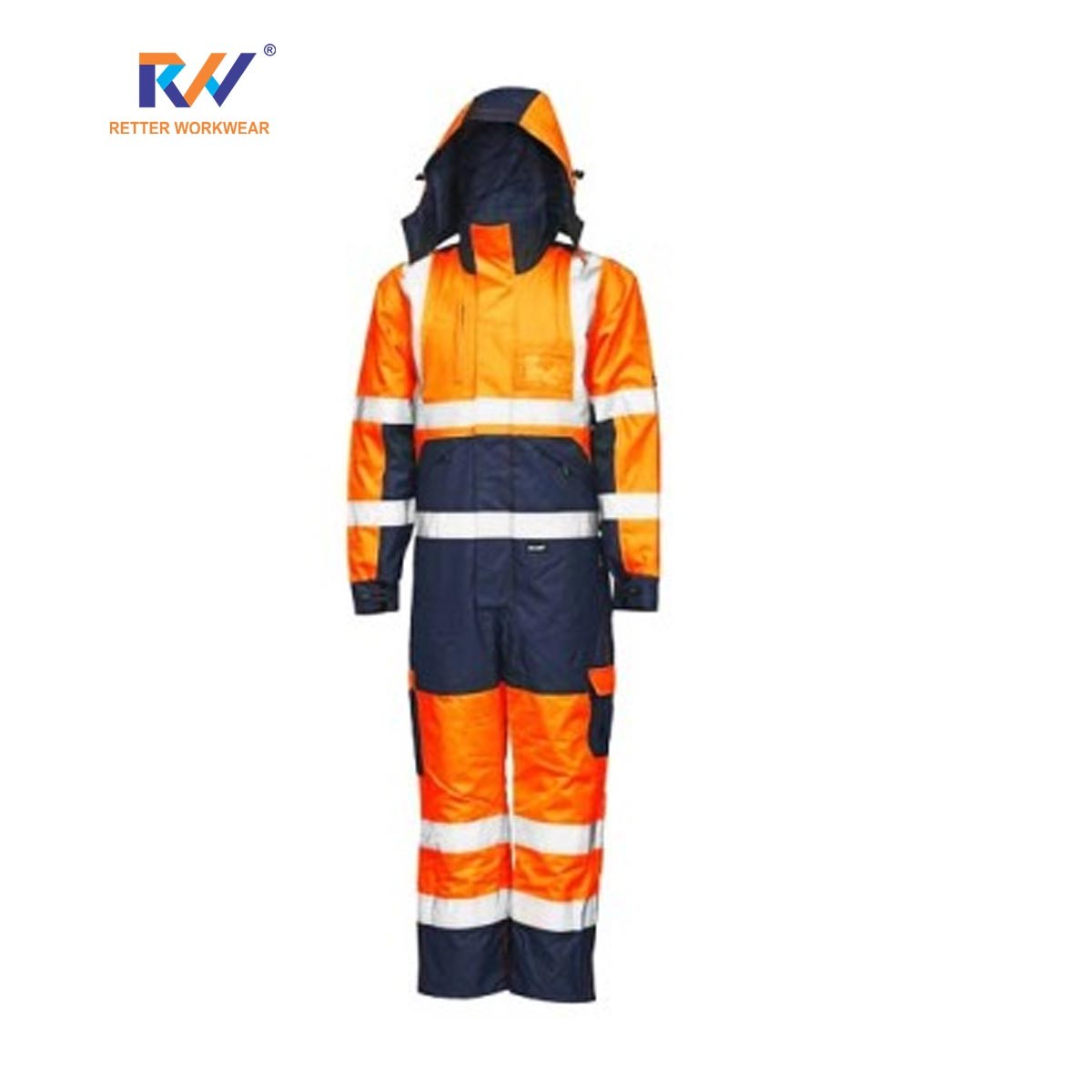
In the rapidly shifting world of industrial safety, that old neon vest is no longer enough to keep a worker safe in complex, high-traffic zones. As we move through 2026, we’re seeing a massive pivot where High Visibility Coverall Manufacturers like Retter Workwear are looking far beyond simple reflective strips. They are beginning to integrate "Smart Safety" features that, just a few years ago, felt like something out of a sci-fi movie. In an era where data is just as vital as a hard hat, staying on top of how your gear is getting "smarter" is the first step toward a true zero-incident workplace.
The Era of the "Connected" Worker
The idea of the "Connected Worker" has jumped from a pilot project in a boardroom to a standard requirement in mining, oil and gas, and heavy infrastructure. Manufacturers are no longer viewing a coverall as just a piece of clothing—it’s now a platform for technology. By weaving sensors directly into the textile fibers, high-vis gear is becoming a proactive safety tool that speaks for the worker.
What "Smart" Looks Like on the Job:
- IoT-Enabled Location Tracking: We’re seeing hair-thin, flexible chips woven into the shoulder or back panels. These chips enable site managers to monitor real-time locations in hazardous zones, guaranteeing the safety of all personnel during a hectic emergency evacuation.
- Biometric Vital Monitoring: Conductive yarns can now track heart rates and skin temperature. This is a game-changer in the punishing Indian heat, where heatstroke can knock a worker out before they even realize they are in trouble.
- Proximity Haptics: Some of the newest coveralls use small vibration motors to give the wearer a "nudge" if they get too close to moving heavy machinery or enter a restricted "no-go" zone.
- Instant Fall Detection: Accelerometers—the same tech in your smartphone—can tell the difference between a worker sitting down and a dangerous fall, instantly pinging an SOS to the supervisor’s dashboard.
Innovation Under the Surface: More Than Just Glow
While the electronics get the attention, the "analogue" parts of the coverall are undergoing their own quiet revolution. A smart sensor is useless if the suit is so uncomfortable that the worker leaves it in their locker.
-
Active vs. Passive Visibility
We are moving toward "active" lighting. Traditional reflective tape is "passive"—it needs an external light, like a truck's headlights, to work. New designs are incorporating flexible LED strips or electroluminescent wires. This characteristic means a worker is visible in a pitch-black tunnel even if there isn't a single flashlight pointed at them.
-
Climate-Responsive Fabrics
One of the biggest grumbles from the field is that high-vis gear feels like wearing a plastic bag. Modern manufacturers are experimenting with "biomimetic" fabrics. These materials actually open up their "pores" when body heat rises to let air in, then snap shut when it gets cold to trap warmth.
-
Durability That Survives the Wash
In the past, reflective tape would crack or peel after a few rounds in an industrial washer. In 2026, the focus is on laser-bonded tapes. These don't just sit on top of the fabric; they fuse with it at a molecular level. They can take a beating in high-heat laundry cycles and still hit their ANSI or EN ISO 20471 ratings.
Why Data is the New Safety Standard
The real magic of a smart coverall isn't just the beep or the buzz; it’s the long-term data. By looking at a few months of sensor info, companies can find "near-miss" hotspots. If the data shows that five different workers had spikes in heart rate or "micro-trips" in one specific corner of the warehouse, management can fix the floor or the lighting before someone actually gets hurt.
The Real Cost of "Smart" Gear
Let’s be honest: switching to smart gear is a big upfront investment. But the ROI shows up in the "unseen" numbers—lower insurance premiums, fewer compensation claims, and zero downtime from accidents. When you’re vetting a manufacturer for these high-tech solutions, ask the hard questions:
- System Integration: Does the gear actually play smoothly with your current site software?
- Laundry Logic: Are the sensors removable, or are they rugged enough to survive a heavy-duty wash cycle?
- Battery Endurance: You need gear that lasts a full 12-hour shift, not something that dies during lunch.
The Future is Bright (and Connected)
The days of "passive" safety are coming to an end. The next generation of high-visibility gear acts like a silent partner, watching over the worker when they are too buried in a task to notice a lurking danger. By embracing these technological advancements, industries are not only fulfilling compliance requirements but also safeguarding the individual wearing the suit. Being visible is just the beginning in the modern industrial world, but being "connected" is the future.
