




- By: Admin
- Feb 21, 2026
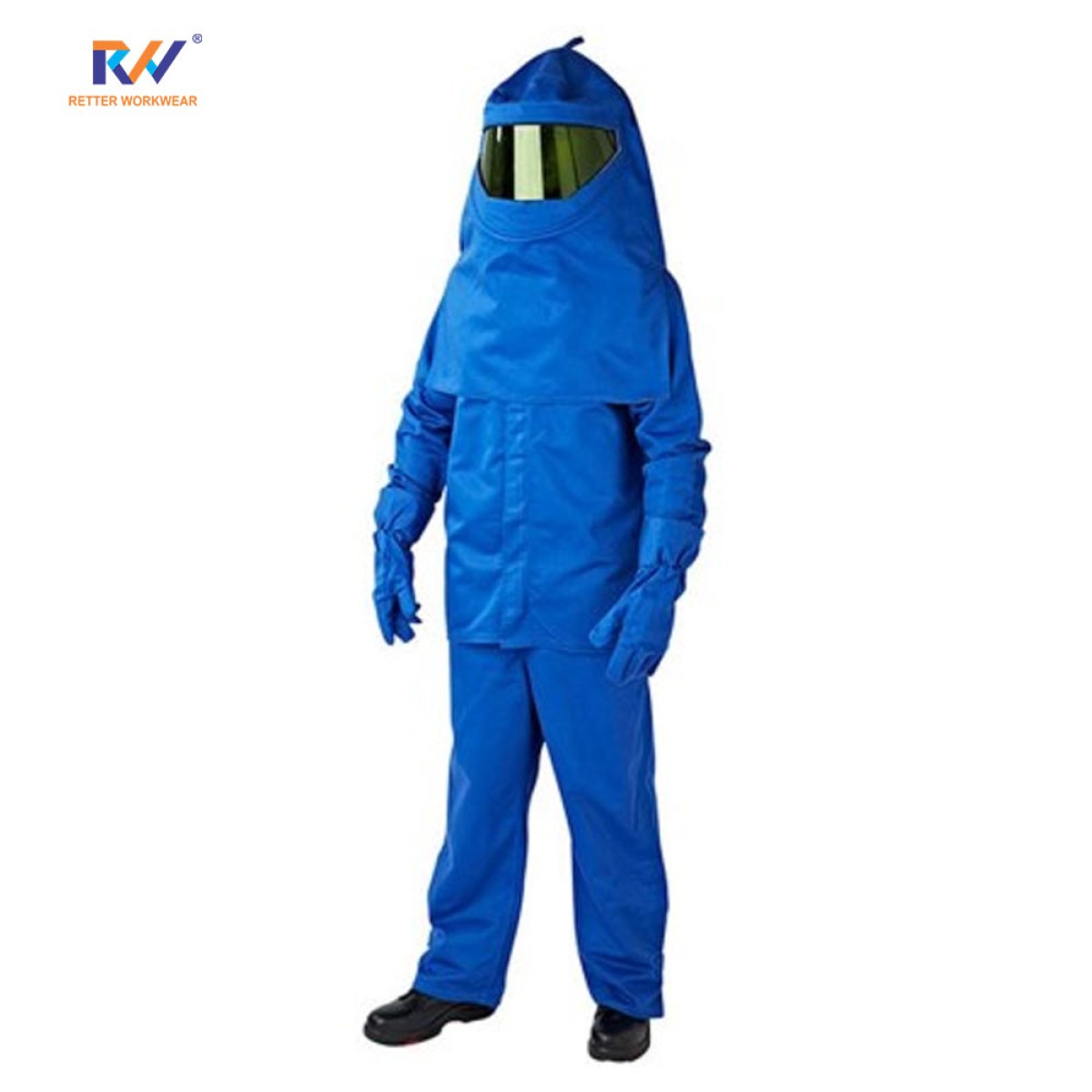
Imagine an invisible threat that travels at the speed of light, carrying temperatures that rival the sun’s corona in a heartbeat. This is the reality of an electrical discharge, a violent burst of energy capable of liquefying metal and vaporising standard clothing in less than a second. To stand against such a force, a technician needs more than a uniform; they need a high-tech thermal shield engineered with surgical precision. Finding a dedicated Arc Flash Clothing Manufacturer like Retter Workwear is the first real step in turning a hazardous workspace into a zone of survival, where advanced textile science meets the raw, unpredictable power of the industrial grid.
The Rulebook of Resistance: Understanding NFPA 70E and ASTM
Safety in the electrical world isn't built on guesswork; it’s dictated by strict global standards that categorize risk. The most recognised benchmark is NFPA 70E, which sets PPE categories based on the potential incident energy of a task. These levels range from 1 to 4, each requiring a specific Arc Thermal Performance Value (ATPV) measured in $cal/cm^2$. When a garment is tested, it’s hit with controlled electrical arcs to see exactly how much heat it can block before the wearer would sustain a second-degree burn. Manufacturers must assure that every button, thread, and zipper used in construction also meets these requirements so they don't become heat conductors during a blast.
- Standards provide a clear framework for selecting the right level of protection.
- NFPA 70E assures workers are matched with gear suited for their specific risk.
- Independent testing labs verify that fabric claims stand up to real-world energy.
- Regular audits of these standards keep safety protocols evolving with new technology.
Beyond the Surface: The Science of Arc-Rated Fabrics
Not all fire-resistant fabrics are created equal when it comes to electrical safety. Most high-end gear uses either inherent fibers like aramids, which never lose their protective qualities, or high-performance modacrylic blends that feel softer and breathe better. The magic happens at the molecular level; when hit by heat, these fibers carbonize and swell, creating a thick protective char that acts as a thermal barrier. This prevents the fabric from breaking open, a critical detail because an "open" garment lets the heat and flames reach the skin directly.
The Manufacturing Craft: Precision in Every Protective Layer
Creating a suit that can survive an electrical explosion is a genuine feat of engineering. Ergonomics plays a massive role here; if a suit is too bulky, a technician might struggle to handle delicate tools, which ironically increases the risk of an accident. Designers use 3D modeling to make sure the "reach" and "flex" of the garment don't compromise coverage, ensuring that wrists and necks stay protected even when a worker is stretching into a tight enclosure.
- Ergonomic designs prevent the wearer from feeling restricted during precise tasks.
- Layering techniques allow for high protection levels with reduced garment weight.
- Triple-stitched seams assure the suit doesn't burst under the pressure of a blast.
- Quality control checks every inch of the fabric for structural weaknesses.
Verification and Trust: Why Testing Matters Most
In the safety industry, a certificate is much more than just a piece of paper, it’s a promise made to the person wearing the suit. Reliable manufacturing involves putting finished garments through the "Manikin Test," where a sensor-covered dummy is dressed in the gear and exposed to a simulated arc flash. This provides a full view of how the entire garment performs as a system, rather than just how a small swatch of fabric behaves in a lab. It accounts for the integrity of the closures, heat transfer through the seams, and overall coverage.
Empowering the Electrical Heroes of Tomorrow
At the end of the day, the goal of any safety program is simple: assuring every worker returns home exactly as they left. Investing in top-tier arc-rated apparel is a powerful statement about how much a company values its people. By moving beyond basic compliance and embracing gear that provides real comfort, durability, and verified protection, you are building a resilient safety culture that can weather any storm. When you provide your team the best possible shield, you aren't just meeting a regulation; you are giving them the confidence to do their jobs with the peace of mind they’ve earned.
