




- By: Admin
- Mar 13, 2026
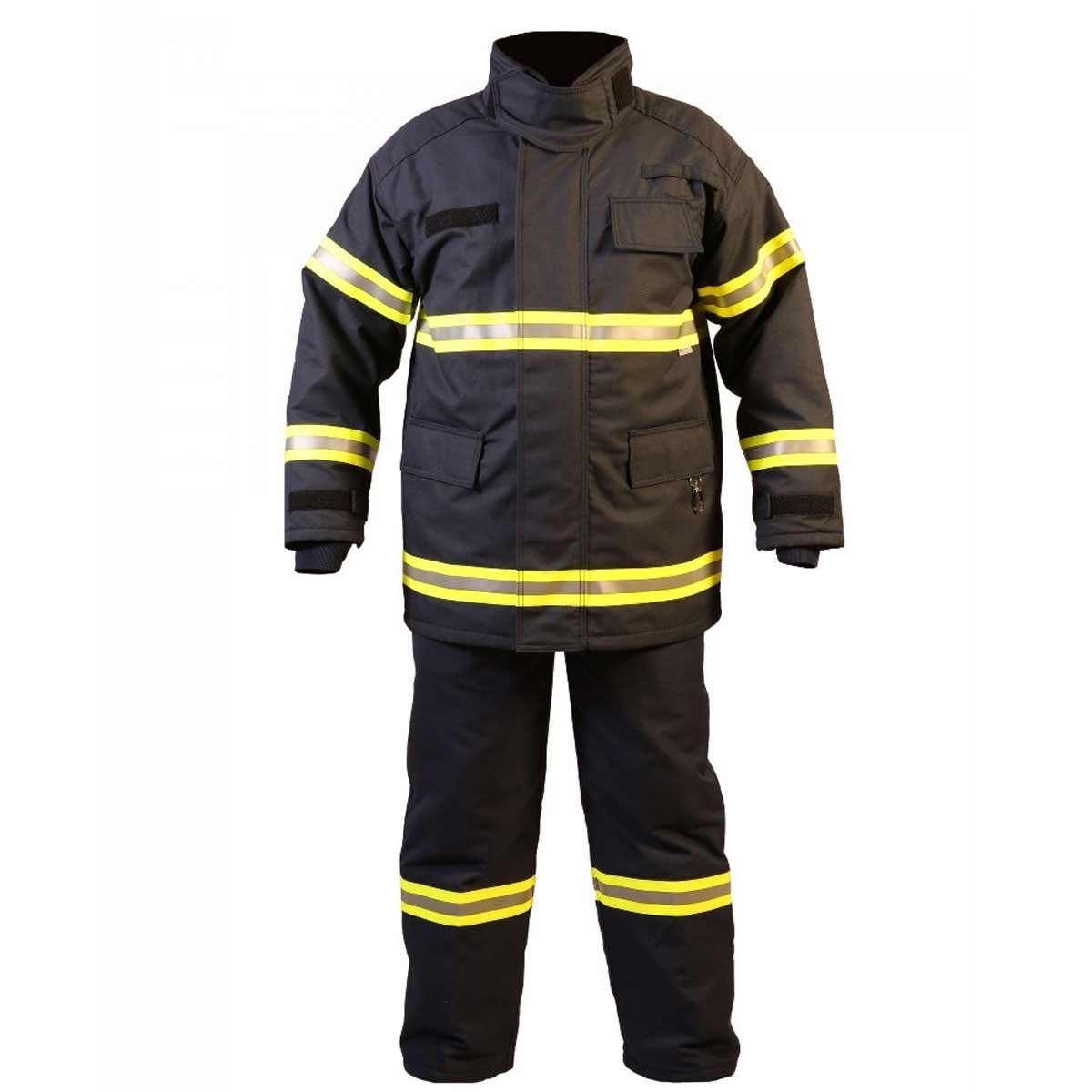
When you’re standing on a rig or working near a high-voltage panel, your clothing isn't just a professional requirement—it is the final barrier between your skin and a life-altering injury. In the high-stakes world of industrial safety, sourcing gear from proven Fire Suit Manufacturers like Retter Workwear is often the thin line between a close call and a fatality. Procurement departments face constant pressure to reduce costs, yet opting for low-cost alternatives poses a risk that could potentially result in human casualties. In a glossy catalogue, a cheap suit may appear appealing, but when a flash fire occurs, the fabric's actual chemistry becomes crucial.
The "Bargain" Trap: Why Cheap Suits Fail
A low price tag and a generic "FR" (Flame Resistant) stamp can easily deceive you. However, budget vendors often conceal their shortcuts deep inside the fibers, making them invisible until it's too late.
- The "Wash-Out" Risk: Many budget-friendly options use standard cotton that has simply been dipped in flame-retardant chemicals. It works perfectly on day one. But after twenty industrial washes? Those chemicals can leach out, leaving the worker wearing nothing more than a flammable t-shirt that offers zero protection.
- The Melting Point Nightmare: This is perhaps the most dangerous shortcut of all. To save money, some manufacturers blend polyester into their "FR" fabrics. During a fire, polyester doesn't just burn; it melts into a boiling, plastic liquid that fuses directly to the skin. This turns a survivable burn into a catastrophic, deep-tissue injury.
- Structural Failure: If the thread holding the suit together isn't as heat-resistant as the fabric itself, the garment will literally fall apart at the seams during a thermal event. This exposes the wearer's chest and limbs to direct flames at the exact moment they need coverage most.
The Engineering of Professional Fire Suits
Reliable manufacturers don't just "treat" a fabric; they engineer a life-support system. To bypass the pitfalls of cheap alternatives, professional-grade suits use a "system-of-protection" approach:
- Inherent Fibre Technology
Top-tier manufacturers rely on fabrics like Nomex, Kevlar, or specialized aramid blends. In these materials, flame resistance is "inherent"—meaning it is part of the molecular DNA of the fiber itself. You could wash the suit a thousand times and the protection would never degrade. The suit doesn't depend on a transient coating that erodes over time.
- Managing Thermal Shrinkage
A massive, yet often overlooked, risk in flash fires is how much a fabric shrinks when heated. If a suit shrinks 20% the instant it hits 500°C, it pulls tight against the skin. This eliminates the "insulating air gap" between the cloth and the body, leading to instant contact burns. Quality suits are engineered to maintain their shape, keeping that vital layer of air intact as a buffer.
- High-Integrity Hardware and Closures
A fire suit is only as effective as its weakest link. High-quality manufacturers ensure that every component is a safety asset, not a liability:
- Shielded Zippers: Usually made of heavy-duty brass and backed by an FR fabric "fly" to prevent hot metal from touching the skin.
- Flame-Resistant Fasteners: Velcro and buttons are specifically rated to prevent them from becoming "hot spots" that transfer heat to the chest or neck.
- FR Reflective Tapes: Standard high-vis tape can melt or ignite; professional equipment uses specialised glass-bead tape that remains stable under extreme heat.
The "Hidden" Cost of Cheap Safety Gear
While the initial invoice for low-cost gear is lower, the Total Cost of Ownership (TCO) is almost always higher. Budget suits wear out faster, tear more easily in rugged industrial settings and lose their protective ratings after fewer washes. This leads to a constant, frustrating cycle of replacement.
Most importantly, the legal and human costs of a safety failure—including workers' compensation, OSHA fines and potential litigation—far outweigh the pennies saved by buying substandard protective clothing.
Prioritising Lives Over Line Items
When it comes to fire protection, "good enough" is a dangerous philosophy. Specialized manufacturers provide documentation, third-party lab certifications (such as NFPA 2112 or EN ISO 11612), and material traceability that low-cost vendors simply cannot match. By choosing garments designed for the worst-case scenario, you ensure that your team isn't just wearing a uniform but a shield.
