




- By: Admin
- Feb 26, 2026
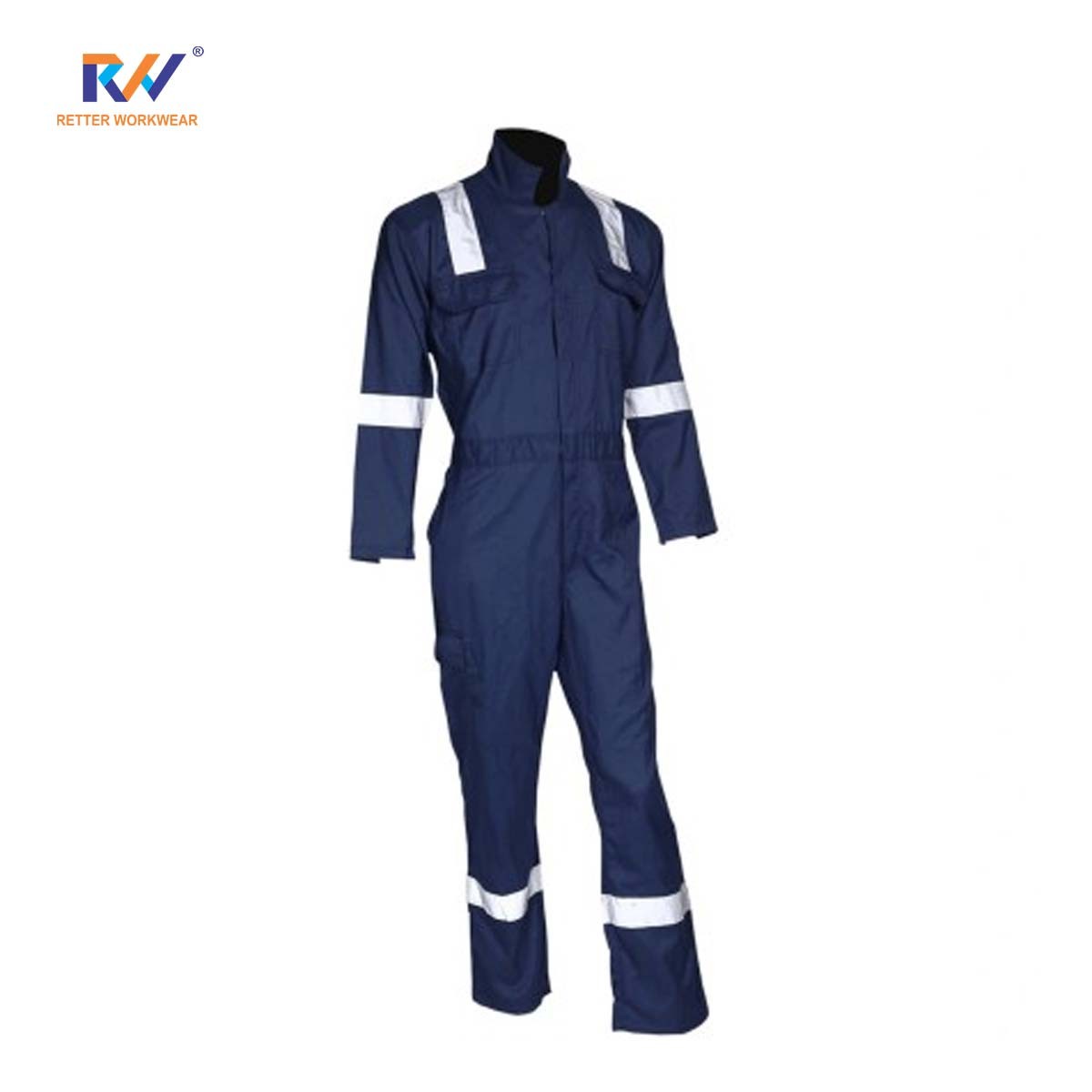
In the high-stakes arena of offshore drilling and land-based refineries, the logistics of safety are just as complex as the extraction of the resources themselves. For multinational energy giants, the procurement process for protective apparel is a global chess game where one wrong move could jeopardize a worker's life. Finding a reputable Oil And Gas Workwear Supplier like Retter Workwear is the foundational step in a strategy that prioritizes local compliance, technical innovation, and logistical reliability. This isn't just about bulk ordering uniforms; it is about establishing a supply chain that can deliver high-performance flame-resistant (FR) gear.
The Global Blueprint: Mapping the Safety Supply Chain
Sourcing protective gear for a global workforce requires a deep understanding of regional hazards and the specific "protective DNA" required for each site. Procurement managers don't just look for a vendor; they look for a partner capable of navigating a labyrinth of international shipping laws and safety certifications. The process usually begins with a centralised vetting phase where the fabric's thermal integrity and the manufacturer's ethical standards are put under a microscope.
- Centralized procurement helps maintain a unified safety standard across diverse global operations.
- Partnering with versatile distributors reduces the friction of cross-border customs and import duties.
- Digital inventory tracking allows for real-time replenishment in remote drilling locations.
Decoding the Technical DNA: Fabrics That Defy the Flames
When lives are on the line, the "feel" of the fabric is just as important as its fire rating. Energy companies spend months testing various fiber blends to find the "Goldilocks" zone—a material that is tough enough to withstand oil sludge and abrasion, yet breathable enough to prevent heat exhaustion in tropical climates. The shift has moved from heavy, uncomfortable treated cottons to lightweight, multi-hazard blends that incorporate inherent flame resistance. These modern textiles are engineered at the molecular level to carbonize rather than melt.
Navigating the Compliance Jungle: NFPA, EN, and Beyond
One of the biggest headaches for global safety directors is the fragmentation of international safety standards. A garment that is the gold standard in the United States (NFPA 2112) might need additional certifications to be cleared for use in European waters (EN ISO 11612). Sophisticated sourcing strategies involve finding manufacturers who can produce "dual-certified" garments. This allows a company to streamline its inventory, reducing the need for region-specific warehouses and ensuring that its global mobile workforce always has gear that is legally and technically compliant wherever they land.
- Dual-certified apparel simplifies the logistics of moving personnel between international project sites.
- Third-party verification labs provide the empirical data needed to justify procurement costs.
- Localised testing ensures that workwear can handle the specific chemical profiles found in different oil fields.
The Resilience Test: Logistics and Last-Mile Delivery
Even the most advanced FR suit is useless if it’s stuck in a shipping container when a crew change is happening on an offshore platform. This often involves localized warehousing or regional "hubs" that can provide rapid-response delivery for emergency replacements. Modern energy firms are also moving toward customized portals where employees can order their own pre-approved, correctly sized gear directly from the source. This shifts the burden of size management away from the site supervisor and assures that every piece of PPE fits perfectly.
The Human Element: Comfort as a Safety Metric
Historically, safety gear was a "one size fits all" affair that ignored the human beings inside the suits. Today, the industry has realized that comfort is actually a safety feature; a worker who isn't fighting against a stiff, heavy jacket is a worker who stays focused on the task at hand. By listening to the feedback from the men and women on the front lines, procurement teams are shifting their focus from the cheapest bid to the highest value, recognising that a durable, comfortable suit pays for itself by reducing fatigue and increasing long-term wearer compliance.
Securing the Frontlines of the Energy Revolution
In an era where the energy sector is evolving faster than ever, the methods used to protect its workforce must keep pace. Strategic sourcing is no longer a back-office administrative task; it is a critical pillar of corporate responsibility and operational excellence. When the right gear meets the right worker at the right time, the industry moves one step closer to its ultimate goal: an accident-free future where every professional is shielded by the very best the world has to offer.
