




How Are Top Fire Retardant Coverall Manufacturers in India Dependable for Extreme Heat and Industrial Safety
- By: Admin
- May 25, 2026
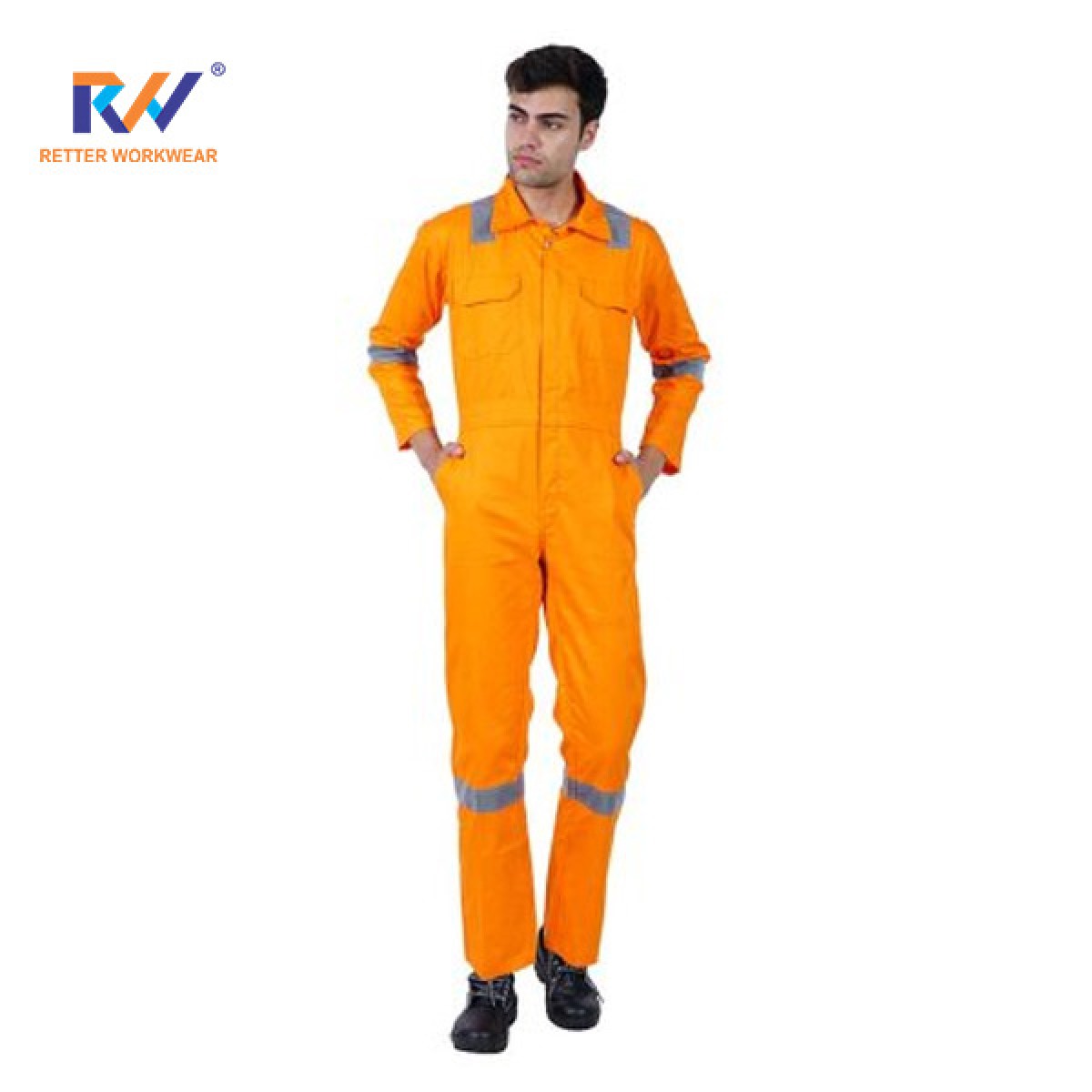
Ask any safety manager at a steel plant, a petrochemical facility, or a power generation unit what their biggest concern is, and somewhere near the top of that list will be the fear of a thermal incident involving a worker who wasn't adequately protected. It's not an irrational fear. That's precisely why the conversation around flame-resistant workwear matters so much and why choosing the right manufacturer is never just a procurement decision. Retter Workwear has steadily built its place among the most trusted Fire Retardant Coverall Manufacturers in India, producing workwear that takes the full weight of that responsibility seriously, shift after shift, facility after facility.
The Real Cost of Getting Workwear Wrong
Before talking about what good fire retardant workwear looks like, it's worth spending a moment on what poor workwear actually costs. And this isn't just about money, though the financial implications of a workplace injury are significant. It's about the human cost. A worker who sustains burn injuries because their coverall ignited, melted, or failed to self-extinguish is dealing with consequences that go far beyond the day of the incident. Recovery from serious burns is long, painful, and often incomplete. The psychological impact is real and lasting on the worker, their family, and their colleagues.
Understanding What Fire Retardant Actually Means
There's a tendency in general conversation to use "fire retardant" and "flame resistant" interchangeably, but they're not the same thing, and in industrial procurement, that difference matters. Fire retardant are fabrics that have been chemically treated to resist ignition and slow the spread of flame. The treatment is applied to the surface of the fabric after it's been produced. This approach can be perfectly adequate in certain environments. Treated fire-retardant fabrics lose their protective properties over time. Repeated washing, abrasion, and general wear gradually strip away the chemical treatment, reducing the fabric's resistance to flame. A coverall that initially passed a fire resistance test may not pass the same test after two years of regular industrial use.
- Confirm whether the FR protection is inherent or applied as a surface treatment
- Ask for wash durability data showing performance after repeated laundering
- Verify that certification covers the specific hazard type present in your facility
When Only Permanent Protection Will Do
For environments where the hazard is constant and the consequences of protection failure are severe, treated fabrics don't always meet the standard. This scenario is where inherent flame resistance becomes not just preferable but necessary. Recognised Inherently Fire Resistant Coverall Manufacturers build their products around fabrics in which the flame resistance is a permanent characteristic of the fiber itself, not something added afterwards. Inherently FR coveralls perform identically on day one and day five hundred. As there's no surface treatment to wash away, the protection doesn't degrade with washing.
Cold Environments Don't Eliminate Fire Hazards
Here's a reality that doesn't get discussed nearly enough in workwear conversations. Some of the most hazardous industrial environments operate in cold climates or cold conditions, and the workers in those settings need protection from two entirely different threats at the same time. Thermal insulation keeps them functional in the cold. Flame resistance keeps them safe around the hazard. Getting both into a single garment without compromising either is genuinely difficult. Skilled IFR Winter Coverall Manufacturers in India address this challenge by combining certified inherently flame-resistant outer fabrics with appropriate thermal lining systems, creating coveralls that perform reliably in cold operational environments without sacrificing the fire protection that the hazard demands.
- Certified inherent FR protection that meets international standards for flame resistance
- Thermal insulation rated for the actual temperature range that the workers will face
- Anti-static properties for environments with flammable vapours or dust
- Construction that maintains seam integrity and coverage across the full temperature range
Gear Carrying the Weight of Real Responsibility
Protective workwear isn't a category where good enough is acceptable. The workers relying on these coveralls are placing genuine trust in the people who made them, trust that the seams will hold, the fabric will perform, and the protection will be there if the worst happens. Retter Workwear understands the weight of that trust and approaches every product with the full awareness that what gets made in the factory will one day be worn by a real person in a genuinely hazardous environment. That awareness is what drives the commitment to quality, compliance, and continuous improvement that defines how this work gets done.
