




- By: Admin
- Nov 28, 2026
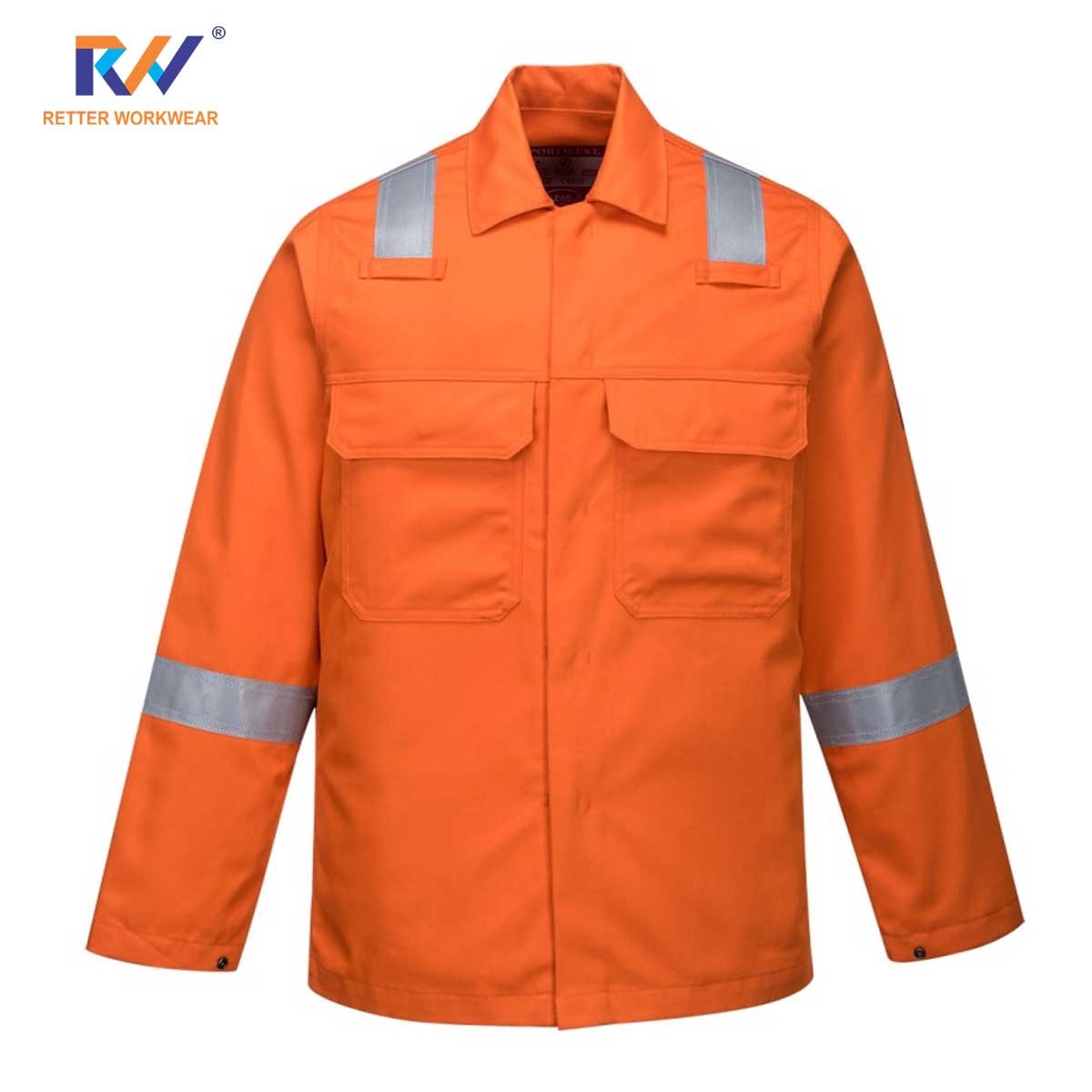
When December fog settles over northern refineries, steel yards, and open power plants, workers naturally grab whatever thick jacket keeps the biting wind out. The catch is that regular puffer jackets and fleece pullovers are stuffed with standard polyester fibers that melt onto skin in a split second if a welding spark or flash fire hits. ExperiencedIFR Jacket Manufacturers in India build outer layers using inherently flame-resistant yarns where fire protection sits right inside the fiber chemistry rather than in a wash-off chemical spray. Even after fifty rough industrial laundry cycles, the fabric self-extinguishes the moment a flame moves away. Safety officers look for that built-in reliability because nobody on a night shift should have to choose between freezing in the cold and wearing safe gear.
What Safety Managers Check Inside the Fabric and Seams First
You cannot tell if a jacket will hold up in an arc flash just by pinching the outer sleeve or looking at a shiny hangtag. Seasoned safety heads flip sample jackets inside out and inspect every stitch, zipper tape, and inner lining before signing off on a purchase order. Trusted IFR Winter Jacket Manufacturers in India pair flame-resistant outer shells with quilted modacrylic or aramid insulation so warmth never comes at the cost of melt safety. If a vendor uses cheap nylon thread on the shoulder seams, that thread will snap open under heat even when the main cloth survives.
Plant safety teams running sample checks usually focus on a few clear details:
- Inherent flame-resistant outer fabrics like meta-aramid or modacrylic blends that never lose protection after heavy washing.
- Genuine aramid sewing thread across every seam, pocket flap, and reflective strip so nothing splits during thermal shock.
- Heavy-duty brass front zippers covered by wide storm flaps to stop cold wind and radiant heat from sneaking inside.
- Flame-resistant knit storm cuffs tucked inside sleeves so wrists stay warm without loose cloth catching near moving parts.
Why Stiff, Bulky Cold-Weather Gear Slows Down Field Crews?
Anyone who has watched a technician climb a thirty-foot pipe rack wearing a stiff, cardboard-like winter coat knows how fast heavy gear wears a person out. When shoulders bind and elbows feel locked, workers start leaving jackets unzipped or taking them off completely during tough jobs—defeating the whole point of issuing protective wear. Leading IFR Jacket Manufacturers in India cut jackets with articulated elbows, pleated action backs and lightweight thermal batting that traps body heat without turning crews into stiff robots. Being able to reach overhead valves or crouch beside pumps comfortably keeps compliance high throughout the coldest weeks of January.
Keeping Cold-Season Orders Smooth Without Storehouse Headaches
Winter hits industrial sites fast, and scrambling for missing sizes in late November leaves night-shift crews shivering or sharing worn-out hand-me-downs. Dependable suppliers like Retter Workwear make seasonal rollouts easier by keeping size grading accurate, and packing the cartons clearly by department and maintaining steady fabric dye lots across repeat orders. When safety officers know replacement jackets will arrive on schedule with matching test certificates, audit prep stops feeling like a last minute fire drill.
Procurement and store teams managing cold-weather protective gear usually stick to a few practical habits:
- Place winter orders at least eight weeks before temperatures drop so bulk tailoring and lab testing finish without rushing.
- Keep ten percent extra stock in fast-moving large and extra-large sizes since workers wear thermal layers underneath.
- Attach clear laundry care instructions so plant washrooms never ruin flame-resistant liners with bleach or fabric softeners.
How Smart Pocket Placement and High-Visibility Strips Help on Foggy Nights
Early morning fog and dim outdoor yards turn routine valve checks into tricky visibility tests for forklift drivers and crane operators. Reliable IFR Winter Jacket Manufacturers in India stitch flame-resistant reflective tapes cleanly across the chest, back, and sleeves so workers stand out clearly under vehicle headlights. Good jackets also feature angled fleece-lined handwarmer pockets, covered radio loops on the upper chest and inner pockets that keep phones and logbooks dry in damp weather. Practical details like detachable insulated hoods let crews adapt quickly when misty mornings turn into sunny afternoons.
Why Lab Certificates and Batch Traceability Matter More Than Lowest Quotes
On a tender comparison sheet, a cheap imported jacket can look tempting until you ask for real third-party test reports against EN ISO 11612 or NFPA 2112 standards. Reputable IFR Jacket Manufacturers in India back every fabric lot with verifiable vertical flame test results, thermal shrinkage numbers, and tear-strength records. Spending slightly more upfront on certified inherent flame resistance saves plants from failed safety audits, early seam rips, and dangerous gaps on the shop floor.
Three Quick Checks Before Approving Your Next Winter Jacket Batch
Picking the right cold-weather protective wear comes down to testing how a jacket performs on real field technicians rather than judging it on a mannequin. When inherent flame-resistant fabric, warm lightweight insulation, and aramid seam stitching come together, crews stay warm, mobile, and safe right through winter. Running a hands-on trial with two sample jackets prevents months of complaints once the cold wind arrives.
Here are three straightforward steps worth taking before finalizing your order:
- Inspect inside seams, zipper tapes, and hood snaps on a sample jacket to confirm every component is flame-resistant.
- Have outdoor maintenance technicians wear the sample during an early morning shift to check warmth, shoulder reach and cuff fit.
- Verify batch specific lab test certificates and clear delivery timelines before releasing your bulk purchase order.
