




- By: Admin
- Nov 28, 2026
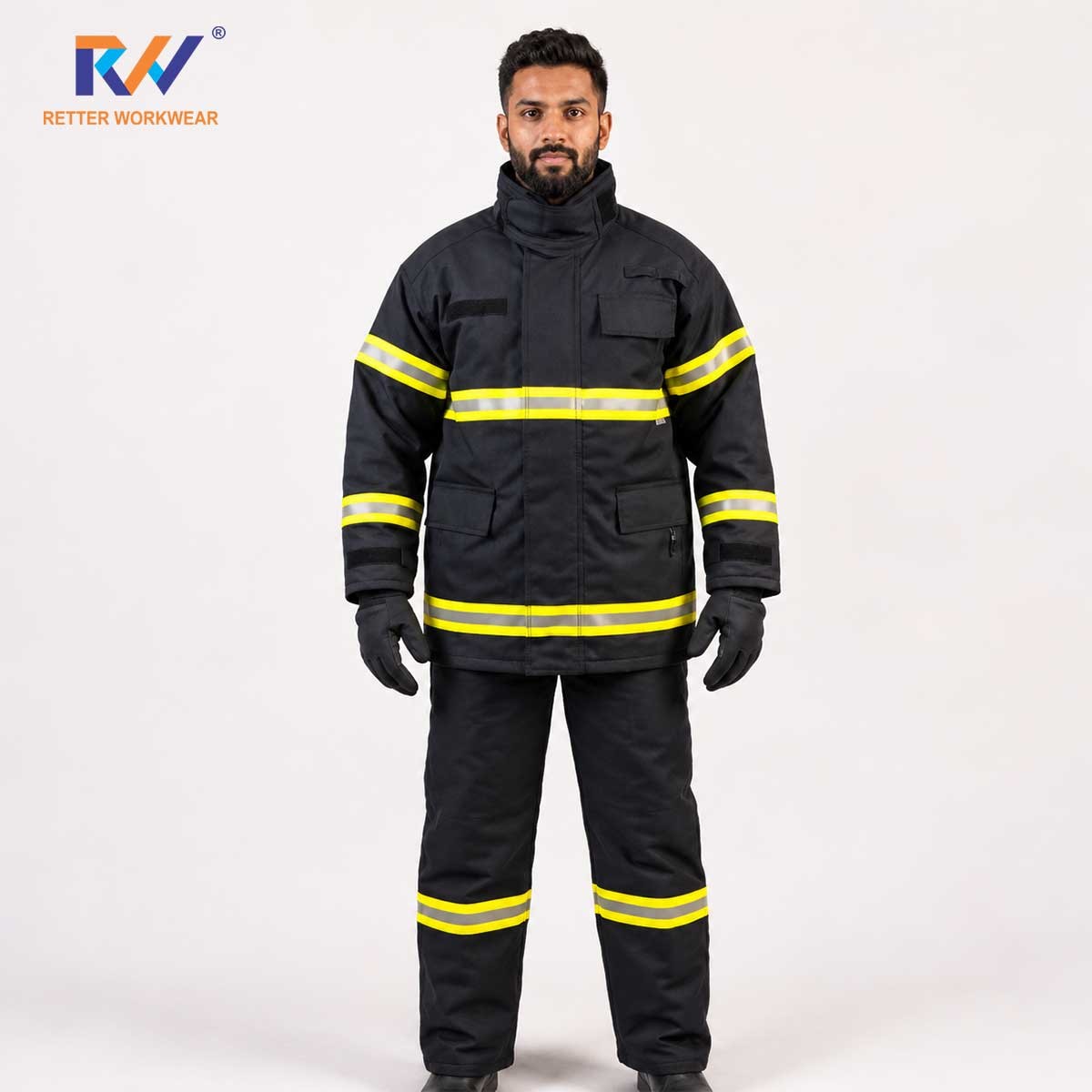
Regular polyester melts onto skin in fractions of a second during a flash fire, while untreated cotton ignites and keeps burning long after a worker steps clear of the flame. Trusted Fire Suit Manufacturers in India engineer multi-layered protective systems that stop heat transfer dead in its tracks and self-extinguish the instant a flame source moves away. When crews know their gear will not melt, shrink, or split under sudden radiant heat, they stay calm and make sharper decisions under pressure. Real safety starts long before an alarm rings; it begins on the cutting table where every thread is chosen to save lives.
What Actually Happens Inside a Multi-Layer Protective Suit During a Flash Fire
A proper firefighting or industrial proximity suit looks thick from the outside, yet each hidden layer does a very specific job when temperatures spike past a thousand degrees. The tough outer shell resists tearing and blocks direct flames, the middle moisture barrier stops scalding steam and hot chemicals from soaking through, and the inner thermal liner traps cool air close to the body. Experienced Fire Retardant Coverall Manufacturers in India build single-layer and multi-layer garments using inherently flame-resistant aramid fibers and treated cotton blends that never wash out over time.
Safety officers inspecting technical heat gear before issuing it to field teams usually look closely at several critical details:
- Inherent flame resistant fibers like meta-aramid and para aramid that rely on molecular structure rather than temporary surface coatings.
- Heat-resistant aramid sewing thread across every single seam so joints never burst open when exposed to sudden thermal shock.
- Heavy-duty brass zippers hidden behind wide Velcro storm flaps to block radiant heat from sneaking through front openings.
- High-visibility reflective tapes stitched with flame-proof thread so crew members remain clearly visible inside thick smoke.
Why Heavy, Stiff Gear Causes Heat Exhaustion Before Flames Even Reach?
When sweat cannot evaporate, heart rates climb dangerously fast, goggles fog up, and hands lose grip strength right when handling heavy hoses or valves. Leading Fire Suit Manufacturers in India balance high thermal protection ratings with ergonomic gussets under the arms, articulated knees and breathable moisture wicking linings. Being able to climb a ladder, crouch under low pipes, or swing an axe without fighting rigid fabric cuts fatigue dramatically. Gear that moves with the human body keeps crews alert through grueling emergency shifts.
How Industrial Plants Keep Everyday Maintenance Teams Protected Without Overheating
Not every worker near a furnace, chemical line, or welding bay needs a bulky structural firefighting bunker suit to stay safe. Pipeline technicians, electrical maintenance engineers, and refinery operators spend ten hours a day walking catwalks and tightening valves where sudden arc flashes or chemical splashes can strike without warning. Dedicated Fire Retardant Coverall Manufacturers in India tailor lightweight, breathable FR coveralls that feel almost like standard workwear while meeting strict EN ISO 11612 and NFPA safety benchmarks. Snug cuffs, covered snap buttons, and reinforced knee patches protect workers from sparks and hot slag without slowing down routine inspections.
Why Proper Testing and Batch Traceability Matter More Than Price Tags?
On a factory floor, a fake safety certificate is worse than having no gear at all because it gives brave workers false confidence in dangerous zones. Reliable suppliers like Retter Workwear back every production batch with certified fabric test reports, proper seam strength checks and clear care labels so safety managers know exactly what protection each garment delivers. Consistent sizing and dependable restocking also prevent plants from putting new technicians in worn-out or ill-fitting hand-me-downs.
Procurement teams managing industrial protective apparel inventories usually follow a few smart practices:
- Verify third party lab test certificates for vertical flame spread, radiant heat resistance and tensile tear strength on every batch.
- Match garment weight and protection ratings to exact job hazards rather than buying one generic suit for every plant zone.
- Train laundry teams on approved washing detergents so fabric softeners or bleach never ruin flame-resistant properties.
Small Tailoring Touches That Prevent Snags and Burns in Tight Spaces
In real industrial emergencies, loose pockets, dangling straps or uncovered metal buttons can snag on scaffolding or conduct intense heat straight to the skin. Forward-thinking Fire Suit Manufacturers in India recess metal hardware behind fabric flaps, angle radio pockets cleanly on the chest and add thumb loops inside cuffs so sleeves never ride up when reaching overhead. Even collar heights are carefully shaped to overlap neatly with helmets and hoods without chafing the neck during long shifts. Thoughtful craftsmanship turns raw protective fabric into dependable armor that crews actually want to wear properly.
Practical Steps to Check Before Upgrading Your Crew's Fire Gear
Outfitting an emergency response team or industrial plant comes down to proving how garments hold up against real heat, sweat, and harsh industrial laundering. When certified flame-resistant fabrics, aramid stitching and comfortable tailoring work together, brave crews can focus completely on the job ahead instead of worrying about their clothing.
Here are three straightforward checks worth running before finalizing your next protective gear order:
- Inspect inside seams and cuff bindings on a sample garment to confirm 100 percent flame-resistant thread is used throughout.
- Have field technicians wear sample coveralls through a full shift in warm plant zones to test breathability and shoulder reach.
- Request clear batch documentation and washing instructions so safety officers can track garment lifespan accurately.
