




- By: Admin
- Feb 20, 2026
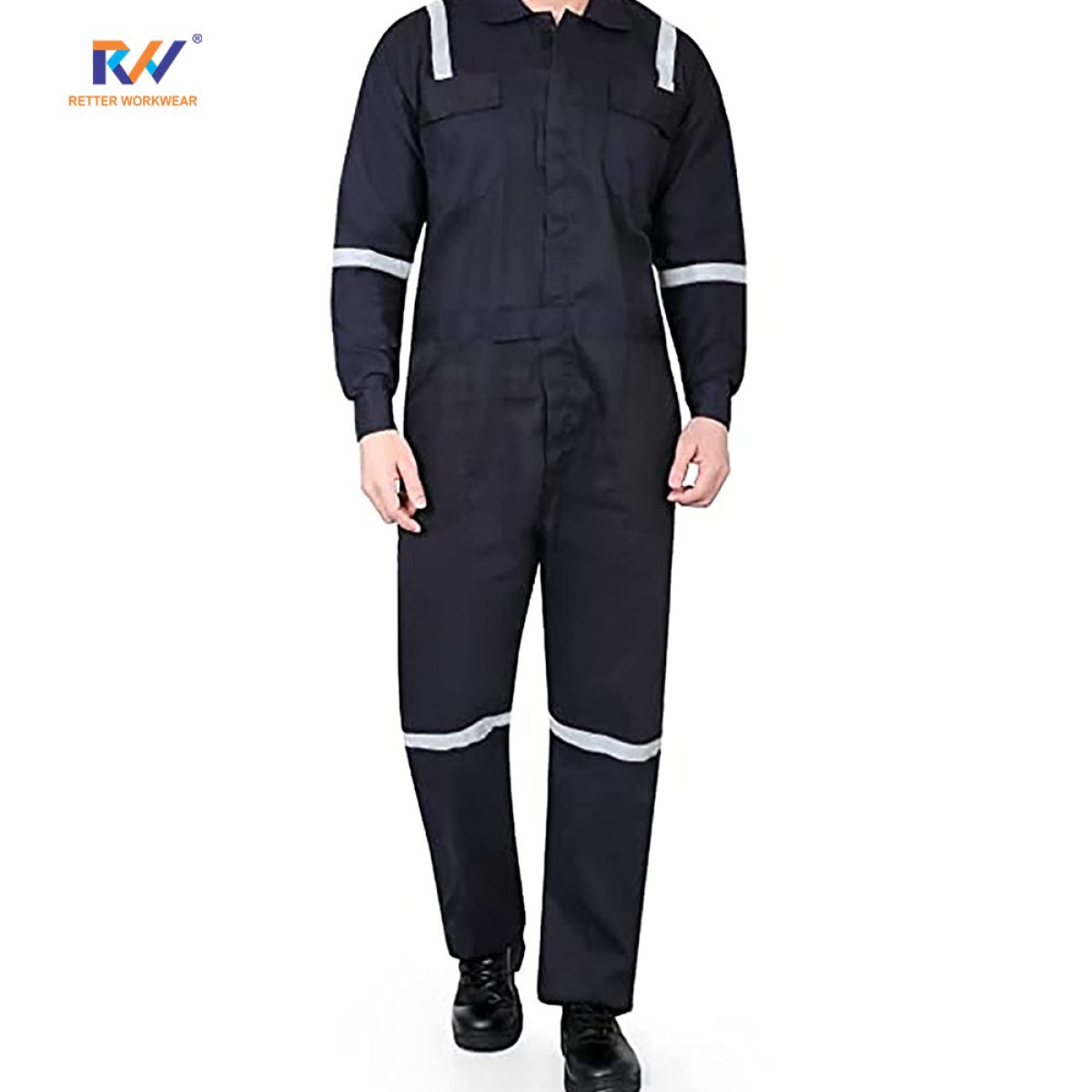
In the competitive world of global procurement, the gap between a middleman and the actual creator of a product can define the success of your entire safety program. For procurement officers managing massive teams, deciding whether to partner with an Industrial Workwear Manufacturer like Retter Workwear is the most important choice they will make all year. While a supplier might offer a wide catalog of various brands, they often lack that deep-rooted, "hands-on" technical understanding of how a fabric behaves under intense thermal stress or repeated industrial laundering. Choosing the manufacturing route ensures you are speaking directly to the source of innovation.
Decoding the Supply Chain: Transparency and Trust
Transparency is a crucial aspect of modern trade, and this is where the debate between manufacturers and suppliers becomes captivating. Suppliers often source from multiple factories to keep their shelves full, which can lead to frustrating inconsistencies in fabric shade, fit, and even protective ratings between batches. A dedicated manufacturer provides a clear, transparent audit trail, showing exactly where the yarn was spun, how the fabric was treated, and who performed the final quality check. For buyers concerned with ESG (Environmental, Social, and Governance) goals, this direct line of sight is indispensable for ensuring their workwear is produced ethically and sustainably.
The Maker’s Advantage: Why Direct Sourcing Wins
When you deal directly with the factory floor, you aren’t just buying a product; you are gaining total control over the lifecycle of your garment. Manufacturers possess the specialized machinery and the technical "know-how" to tweak a design based on your specific environmental hazards, whether that’s high-heat exposure in a foundry or chemical splashes in a laboratory. By eliminating the intermediary, global buyers can ensure every single stitch, button, and zipper meets their exact safety threshold without the extra markup that naturally comes with a third-party distributor.
- Direct access to the production line allows for real-time quality adjustments.
- Eliminating the middleman significantly lowers the per-unit cost on bulk orders.
- Technical designers can modify patterns to suit specific worker body types.
The Hidden Risks of the "Middleman" Model
While suppliers might offer the convenience of stocking multiple brands in one place, they also introduce a layer of risk regarding lead times and unexpected stockouts. If a factory halfway across the world has a production delay, the supplier is often powerless to speed things up or offer a practical workaround. In the event of a quality dispute, dealing with a supplier adds a layer of bureaucracy that can stall the resolution. In contrast, a manufacturer can trace the specific batch and fix the root cause immediately.
Customization Beyond the Logo: Engineering for the Field
Most people think customization is just about embroidering a company logo on a chest pocket, but true industrial customization goes much deeper than aesthetics. A manufacturer can adjust the weight of a fabric to make it more breathable for tropical climates or add reinforced patches to high-abrasion areas like knees and elbows where suits typically fail. Suppliers typically lack the authority or facility to structurally alter existing inventory.
- Structural reinforcements can be added to pockets for heavy tool storage.
- Fabric weights can be adjusted to match the humidity of your specific region.
- Specific pocket placements can be engineered for specialized industrial equipment.
Quality Assurance: From Fiber to Finished Suit
The most significant difference lies in the rigor of the testing phase. A manufacturer typically operates or partners with in-house labs to test the tensile strength and flame resistance of every fabric roll before a single cut is made. Suppliers rely on the certificates provided to them, which may sometimes be outdated or applicable only to a specific component rather than the finished garment. By going straight to the source, global buyers can demand specific tests, like the manikin heat test, to be performed on their actual order, providing empirical evidence that a distributor cannot match.
Investing in a Partnership That Protects
In the world of industrial safety, the lowest price often carries the highest hidden cost. Selecting a manufacturing partner is about more than just shipping boxes; it is about finding a collaborator who understands that a single seam failure can lead to a life-altering injury. When you bridge the gap between the boardroom and the factory floor, you create a supply chain that is not only efficient but fundamentally unbreakable.
