




- By: Admin
- Jan 20, 2026
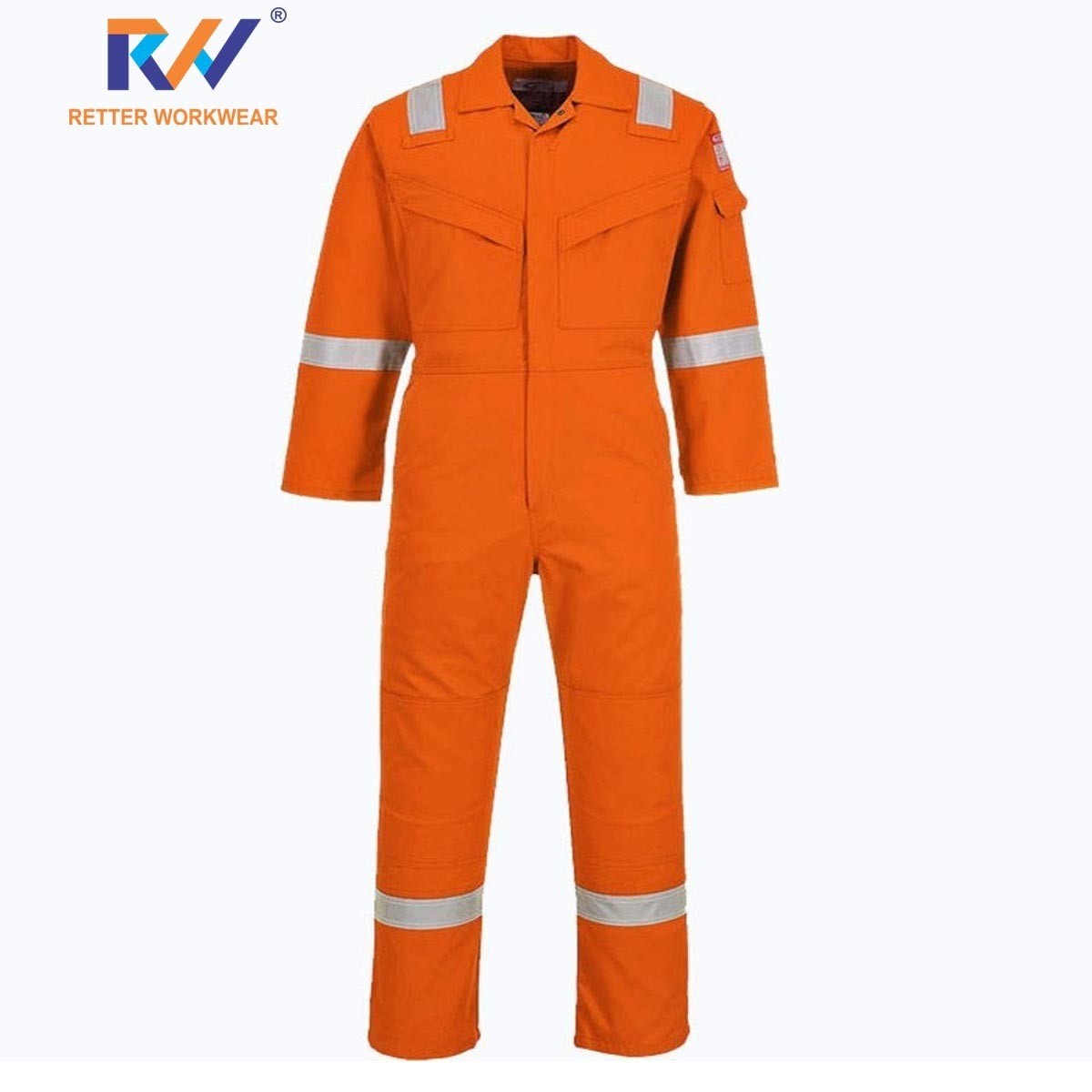
When it comes to high-risk environments, the difference between a high-performance fire suit and a "budget" alternative isn't just a few thousand rupees—it’s the literal skin of your workforce. In India, the fire safety garment industry is currently undergoing a massive regulatory shift. As of October 2023, the Bureau of Indian Standards (BIS) made ISI marking mandatory for most fire-resistant (FR) textiles under IS 15742:2007. If you’re still buying suits based on a "low-bidder" spreadsheet, you might be handing your team a hazard instead of a shield. To vet Fire Suit Manufacturers like a professional, you need to go beyond the glossy brochure. Here are five hard-hitting questions you must ask to ensure your gear actually works when the heat is on.
1. Can I See Your BIS License and CMT Test Reports?
Many vendors in the Indian market claim to be "compliant" with international standards like NFPA 2112 or EN ISO 11612. While those are excellent benchmarks, they aren't enough on their own for local legal compliance anymore. You must verify that they have a valid ISI Mark under the Quality Control Order (QCO). Don't just look for a logo on the tag. Ask for the Component Material Test (CMT) reports. A professional manufacturer should be able to prove that their fabric, thread, and even the zippers have been tested for "limited flame spread. If the thread isn't FR-rated, the suit will literally fall apart at the seams during a flash fire, exposing the wearer's skin.
2. Is This Fabric Inherent or Chemically Treated?
This is where most procurement managers get tripped up. There are two ways to make a suit fire-resistant:
- Inherent (IFR): Fibers like Nomex or Kevlar are fire-resistant at a molecular level. The protection never washes out.
- Treated: Regular cotton or polyester is dipped in flame-retardant chemicals (like Proban).
- The Vetting Question: "How many industrial washes is this garment rated for?" Treated fabrics often lose their safety rating after 50 washes—sometimes as few as 10 if washed with the wrong detergents. If your team works in the oily conditions of a refinery and washes their gear daily, a "cheap" treated suit will become a flammable rag within two months.
3. How Does Your Suit Perform in a Thermal Manikin Test?
The ultimate test for a fire suit isn't a small strip of fabric in a lab; it’s the ASTM F1930 (Thermal Manikin) test. This involves putting the full garment on a sensor-covered mannequin and blasting it with a 3-second flash fire. Top-tier FR Coverall Manufacturers should be able to show you a "Body Burn Prediction" map. You want to see a predicted total body burn of less than 50%. If they can’t provide this data, they are selling you a garment based on theory, not proven survival rates.
4. Can You Provide a Layered Safety System?
Fire protection isn't just about the outer suit. A major hazard in industrial accidents is "undergarment ignition." If a worker wears a polyester T-shirt under an FR coverall provided by Fire Retardant Shirt Manufacturers, the heat from a flash fire can melt that polyester directly onto their skin, causing horrific injuries even if the outer suit doesn't burn. Ask them if they have tested their "system" together. A true partner will advise you on a layering strategy that traps air between garments, significantly increasing the Arc Thermal Performance Value (ATPV) of the entire kit.
5. What Is the 'Real-World' Fit and Mobility Strategy?
A fire suit that is too tight is dangerous because it eliminates the insulating air gap between the fabric and the skin. A suit that is too loose can get caught in moving machinery.
Ask the maker, "Do you have ergonomic "Action Back" designs or knees that can move?" If they are just "cutting and stitching" standard sizes without considering the physical labor your team performs, the workers will likely unzip the suits for comfort, negating all the safety features. Retter Workwear, one of the most trusted Fire Retardant Coverall Manufacturers, will provide a detailed fitment guide and even offer on-site sizing trials.
Key Takeaways
Vetting Fire Retardant Coverall Manufacturers is about choosing a partner who truly understands the science of survival, not merely the business of textiles. The right manufacturer demonstrates technical expertise, proven testing standards, and a genuine commitment to worker safety. If they falter on these critical questions, they are not prepared to safeguard lives.
