




- By: Admin
- Feb 22, 2026
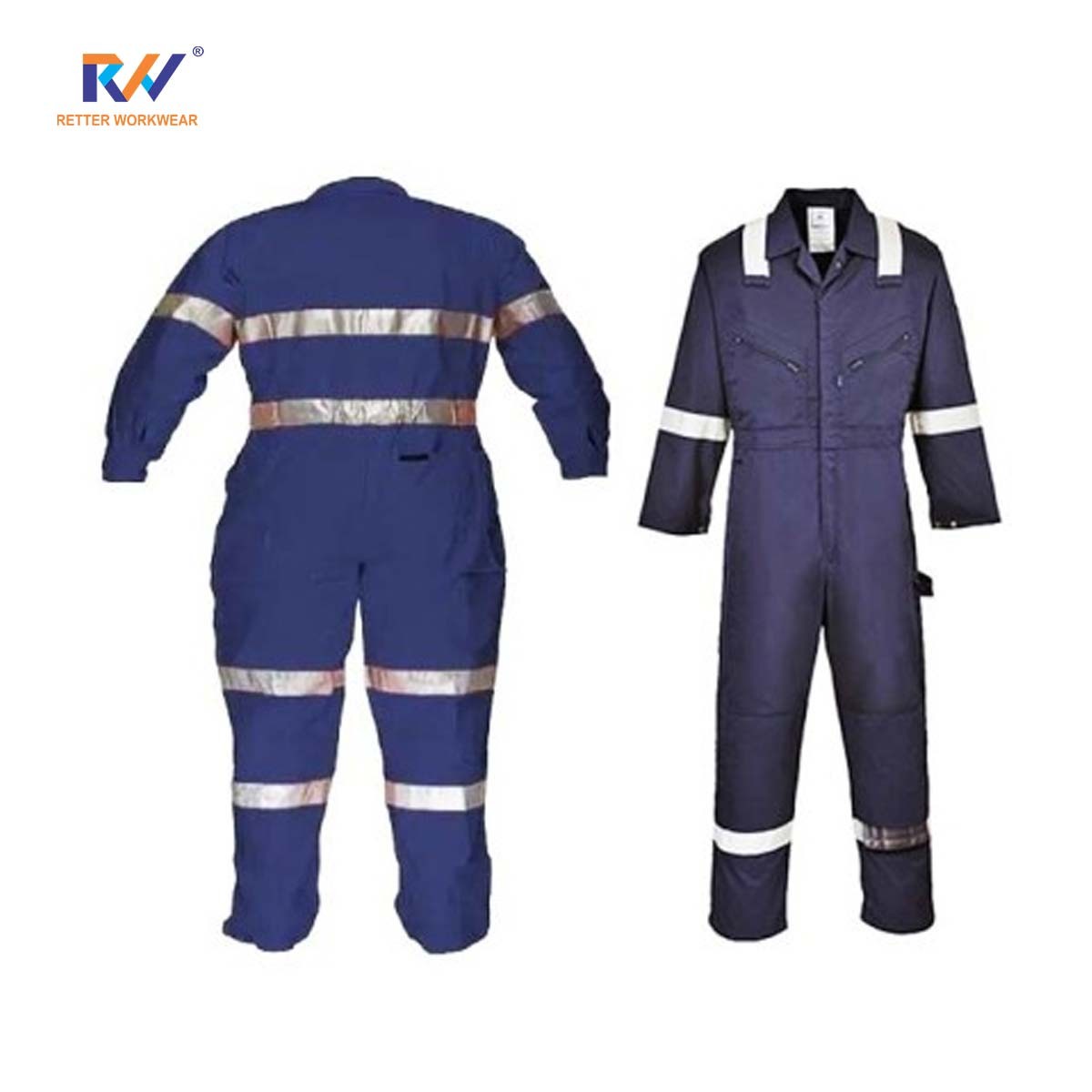
In the fast-paced world of construction and infrastructure development, being seen is just as critical as being shielded. Whether it is a midnight shift on a rain-slicked highway or a high-noon operation on a bustling skyscraper site, the luminosity of a worker’s gear is often the only thing standing between a productive day and a tragic collision. Choosing an expert Hi Vis Clothing Manufacturer like Retter Workwear assures that your team isn’t just wearing a bright color but is wrapped in a scientifically engineered safety system designed to catch the eye in the most chaotic environments.
Glowing in the Dark: The Physics of High-Luminosity Fabrics
High-visibility clothing depends on two distinct components to maximize safety: fluorescent background material and retroreflective tape. Fluorescent colors like safety orange and lime-yellow are unique because they convert invisible ultraviolet light into visible light, making them appear significantly brighter than standard colors, especially during the "golden hours" of dawn and dusk. However, once the sun sets, these colors lose their edge, which is where retroreflective tape takes over.
- Fluorescent fabrics utilize UV rays to create a "glowing" effect during daylight hours.
- Retroreflective materials are essential for redirecting artificial light back to drivers.
- The synergy between the two ensures safety across 24-hour work cycles.
- Durable bonding prevents the reflective strips from peeling after multiple industrial washes.
Decoding the Safety Standards: From EN ISO 20471 to ANSI
Safety isn't about looking bright; it’s about meeting measurable benchmarks that have been proven to save lives. The most widely recognised global standard is EN ISO 20471, which categorizes garments into three classes based on the total area of fluorescent and reflective material. Class 3 represents the highest level of visibility, typically required for high-speed roadwork, while Classes 2 and 1 are suitable for lower-risk environments like warehouses or slow-moving residential construction. In the United States, the ANSI/ISEA 107 standard follows a similar logic, assuring that the placement of "silver strips" creates a recognizable human silhouette.
The Art of Construction: Durability Meets Ergonomics
Building a vest or jacket for a construction site requires a much tougher approach than standard apparel manufacturing. Manufacturers use specialized "warp-knit" polyester that provides the necessary structural integrity while allowing for moisture-wicking properties. Furthermore, ergonomics cannot be an afterthought; a worker who feels restricted by their vest is likely to leave it unzipped or, worse, take it off entirely. Modern designs incorporate "flex-zones" and adjustable closures to ensure that the gear moves with the worker, whether they are climbing a crane or operating a heavy-duty paver.
- Reinforced stitching at high-stress points prevents the garment from ripping during heavy labor.
- Warp-knit fabrics offer a balance of high-tensile strength and lightweight breathability.
- Anti-pilling treatments keep the fabric looking professional and bright even after rugged use.
The Manufacturing Gauntlet: Testing for Real-World Resilience
A garment might look great in the showroom, but its true value is revealed after three months of sweat, dirt, and machine washing. Reliable manufacturing involves putting samples through rigorous stress tests, including spectrophotometer analysis to assure the color hasn't faded beyond the legal safety limit. For international buyers, demanding these test reports is the only way to ensure that the "hi-vis" in their order isn't just a temporary coating but a permanent safety feature.
Shining a Light on Professionalism and Protection
At its core, a high-visibility program is a visual representation of a company’s safety culture. When your team stands out on the road or the site, it sends a clear message to the public and the workers themselves: safety is the top priority. Moving beyond basic compliance and investing in gear that offers superior longevity and wearer comfort pays dividends in reduced accident rates and improved employee morale. By choosing gear that is engineered for the grit of the job site, you are providing your crew with the best possible chance to be seen, stay safe, and return home at the end of every shift.
Illuminating the Path to a Safer Job Site
In an industry where the margin for error is measured in centimeters and seconds, being conspicuous is your most effective defense. Choosing the right high-visibility gear is more than a line item in a budget; it is a commitment to the lives of the people who build our world. By focusing on certified materials, ergonomic tailoring, and proven manufacturing processes, you can build a safety infrastructure that stands the test of time and terrain.
