




- By: Admin
- Mar 14, 2026
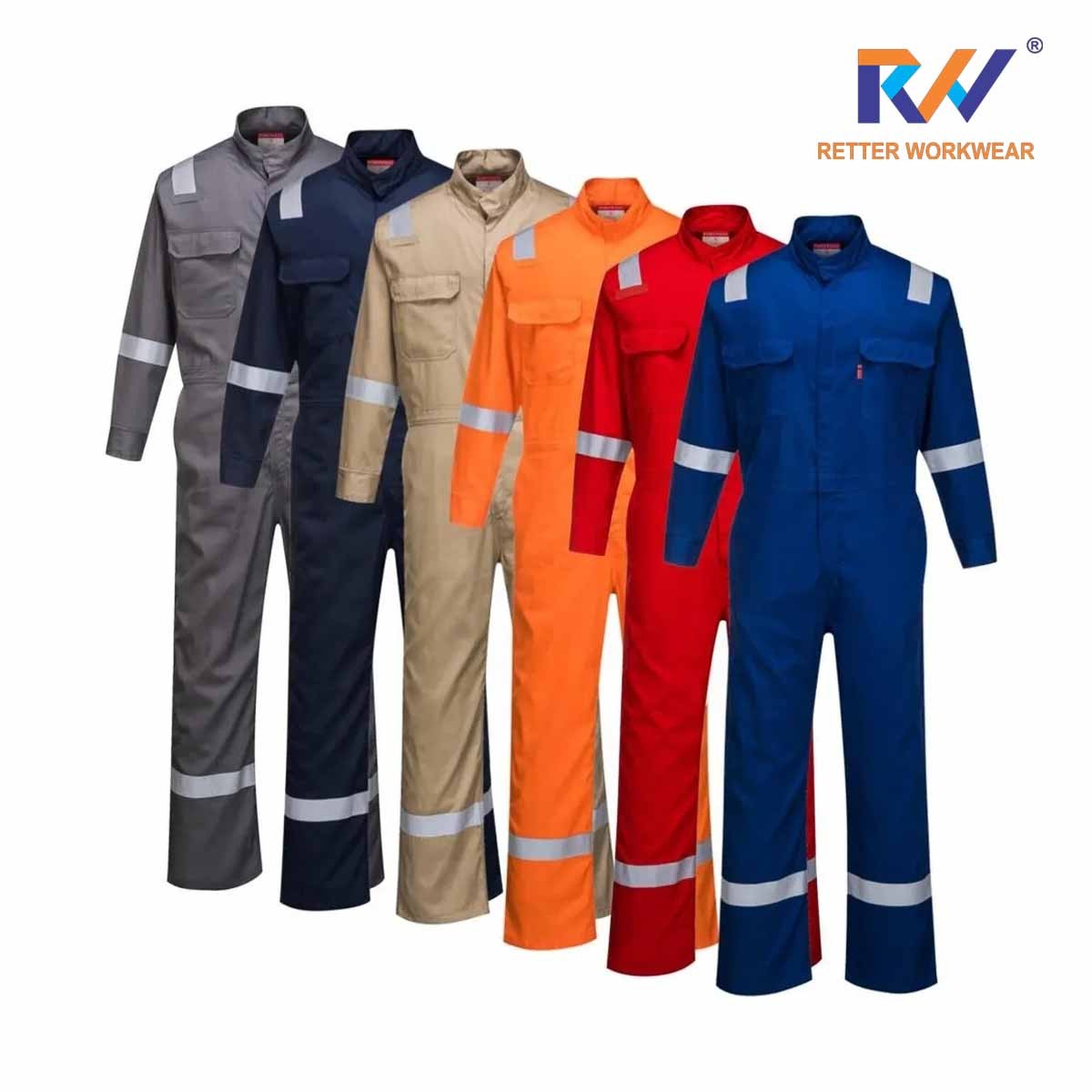
In the high-stakes world of industrial safety, we usually focus on the "big" headlines—flash fires, massive chemical spills, or high-voltage arc flashes. But for the men and women standing on the front lines of India’s refineries, mines, and factories, safety is rarely about a single catastrophe. It’s about the eight to twelve hours they spend living inside their gear every single day. This period of time is where real safety happens. Leading Protective Clothing Manufacturers in India, like Retter Workwear, are proving that while a suit absolutely has to meet global certifications, it’s the smaller, human-centric tweaks that decide if a worker stays protected or takes a dangerous shortcut.
The Problem with the "Static" Safety Mindset
For a long time, industrial workwear in India followed a pretty blunt logic: "If it’s thicker, it’s safer." This gave us heavy, cardboard-stiff boiler suits that felt more like wearing a rug than a piece of clothing. In the crushing heat of an Indian summer, these suits become mobile ovens.
The result? Workers often unzip their jackets, roll up their sleeves, or "forget" their PPE entirely just to breathe. This step is where subtle innovation enters the chat. Modern manufacturing aims to create a gear that is so comfortable that the wearer never feels the need to remove it.
Small Tweaks, Massive Results: What Real Innovation Looks Like
Please describe what this "subtle innovation" looks like on a dusty factory floor. It’s usually found in the details that don't make the brochure but make all the difference at hour ten of a shift.
- "Action Backs" and Articulated Joints: Traditional coveralls tend to "tug" at the shoulders when you reach up. By adding expansion pleats (action backs) or pre-shaping the knees and elbows, manufacturers allow for a natural range of motion. This procedure stops the fabric from thinning out at high-stress points and keeps the worker from fighting their own clothes.
- Smart Moisture Management: Sweat is a safety hazard in humid environments. Today’s top Indian manufacturers are leaning into moisture-wicking linings and "vented" designs. These allow body heat to escape without breaking the flame-resistant (FR) barrier.
- Reinforcing the Weak Links: A suit is only as strong as its lowest-quality seam. Innovations like bar-tacking—essentially high-density reinforced stitching—on pockets and crotches ensure the gear survives the daily reality of crawling, climbing, and heavy lifting.
The Quiet Move Toward Inherent Protection
One of the most important shifts in the Indian market is the transition from treated fabrics to inherent fibers. In the old days, many protective suits were just heavy cotton sprayed with fire-retardant chemicals. The problem? Those chemicals can wash out over time, leaving a worker vulnerable without even realizing it. The best in the business now use fibers like Nomex or Protera. In these materials, the flame resistance is baked into the molecular DNA of the thread. You can't wash it out, you can't wear it off, and the safety doesn't expire.
Why Compliance is Just the Starting Line
Many companies believe that a garment's compliance with a "CE" or "UL" tag suffices. A suit may perform flawlessly in a lab test, yet it may not fare well on a construction site due to its bulkiness or rippling pockets. Innovative manufacturers are now doing "wearer trials"—actually putting their gear on workers for weeks to get feedback. Such testing leads to those "lightbulb" moments:
- Angled chest pockets so tools are actually reachable while wearing a safety harness.
- Internal kneepad slots to protect joints during long hours on concrete.
- Dedicated radio loops positioned so they don't get snagged during a climb.
The Real Math: Cost vs. Value
There’s a persistent myth that "innovative" gear is too expensive for the average budget. But when you look at the Total Cost of Ownership, the logic flips.
- Longevity: A suit built with these subtle reinforcements often lasts three times longer than a "budget" alternative.
- Focus: A worker who isn't struggling with heat exhaustion or stiff fabric stays focused on the job. That means fewer accidents.
- Liability: Every small design choice that keeps a worker "zipped up" is a shield against massive legal battles or insurance claims.
The Big Picture for Indian Industry
The industrial landscape in India is changing. We’re moving beyond being a "low-cost" hub and becoming a center for high-tech engineering. The focus is shifting away from the "bulk" of the gear and toward the "intelligence" of the design.
By focusing on these human-centric details—movement, breathability, and intuitive hardware—manufacturers are building a culture where safety isn't a burden. When you’re picking your next round of protective apparel, don’t just look at the price. Feel the seams, check the range of motion, and ask yourself: "Was this built for a laboratory, or was it built for the person actually doing the work?"
