




The Ultimate Checklist: How To Vet Safety Jacket Manufacturers In India Like A Pro
- By: Admin
- Jan 15, 2026
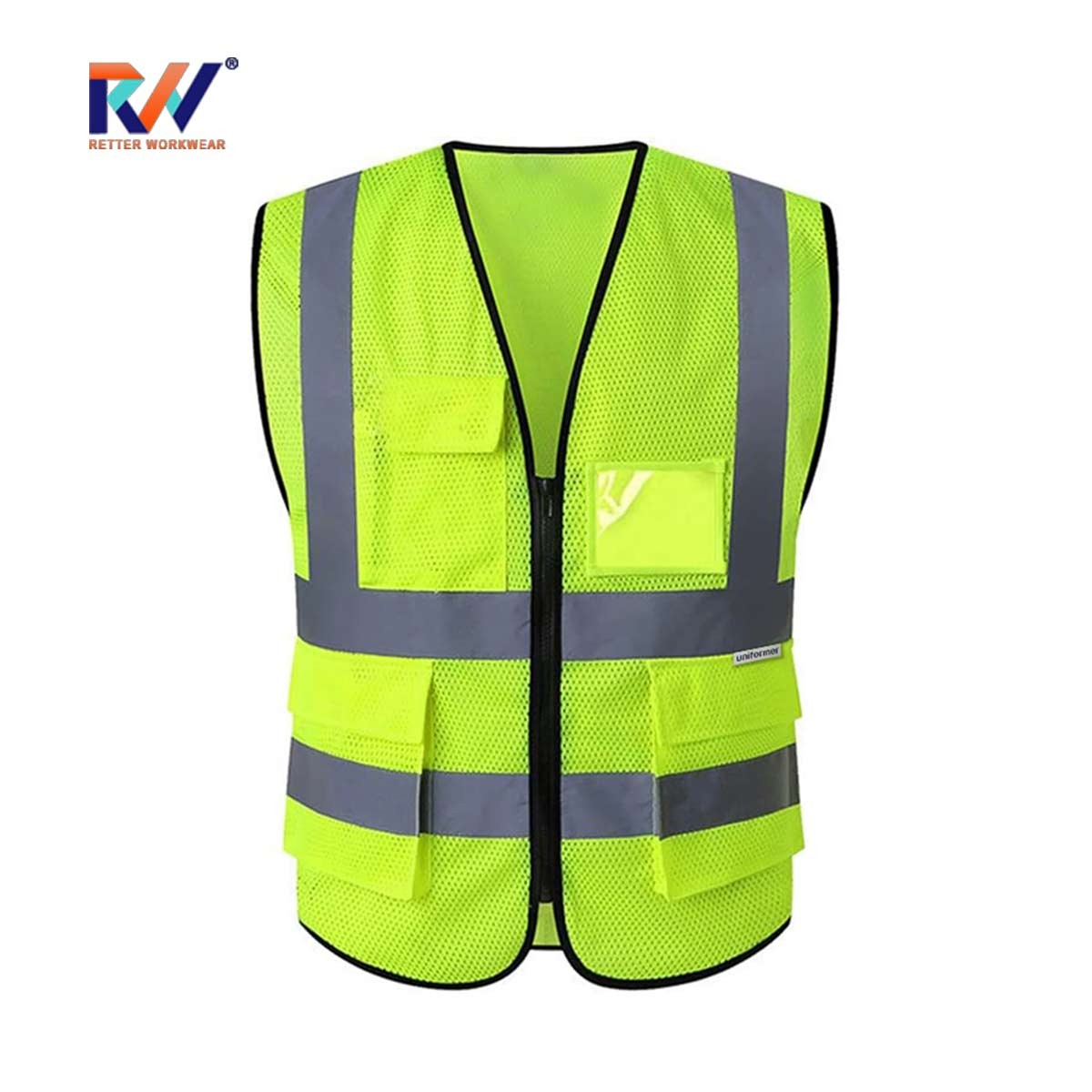
In the fast-paced world of Indian industrial growth, workplace safety has moved from being a "legal headache" to a core business priority. If you’re managing a construction site in Mumbai or a logistics hub in Bangalore, you know that safety jackets are the most basic, yet most critical, piece of gear your team wears. But here’s the problem: the market is flooded with "fly-by-night" vendors selling neon vests that look the part but fail when it actually counts. India’s PPE market is projected to hit nearly $9.5 billion by 2035. While that growth is great for the economy, it has created a "wild west" of suppliers. Finding Safety Jacket Manufacturers in India, like Retter Workwear, who don't cut corners, requires a professional eye. This guide breaks down exactly how to vet safety jacket manufacturers in India so you don't end up with a shipment of useless fabric.
Hard Proof: Certifications and the ISI Mark
In India, the gold standard for high-visibility clothing is IS 15809:2017. If a manufacturer cannot produce a valid BIS (Bureau of Indian Standards) license for this specific standard, walk away. Some vendors will show you an ISO 9001 certificate and hope you don't notice the difference. ISO 9001 just means they have a "system" for management; it says nothing about whether the jacket will actually reflect light at night.
The Pro-Tip: Don't just look at a digital photo of a certificate. Ask for the BIS License Number and verify it on the BIS "Know Your Standards" portal. A real pro will also have an in-house lab—like Mumbai-based Reflectosafe—to batch-test every thousand meters of fabric.
The "Breadth" of Production
Reliable manufacturers rarely stop at just vests. A supplier who also functions as Safety Coverall Manufacturers or a Safety Suit Manufacturer in India typically has a much more robust infrastructure. Why? Because making a fire-retardant (FR) suit or a heavy-duty coverall requires specialized machinery and skilled labor that a small-scale "vest-only" shop simply won't have.
- What to ask: Do you manufacture safety T-shirts and full-body suits in the same facility?
- Can you provide a "bundled" quote for jackets, coveralls, and safety shoes?
- Do you handle in-house screen printing or heat-transfer branding?
Material Guts: GSM and Retro-reflectivity
The "neon" color (fluorescent background) is what makes workers visible during the day, while the silver tape (retro-reflective material) is what saves lives at night.
- Fabric Weight: Ask for the GSM (Grams per Square Meter). For a standard safety vest, you want at least 120–150 GSM. Anything lower feels like a disposable hairnet and will tear within a week.
- The Tape: Not all silver tape is created equal. Check if they use branded retro-reflective materials like 3M Scotchlite. Ask how many wash cycles the tape is rated for. Cheap tape starts "cracking" or peeling after just three washes, rendering the jacket useless.
Logistics and Scalability
India is a massive country with complex logistics. A manufacturer based in Ahmedabad might offer a great price, but can they reliably ship 5,000 units to a project in Guwahati without them getting lost or damaged?
The Reliability Test: Ask about their Monthly Production Capacity. If they say they make 2 lakh (200,000) jackets a month, they likely have a streamlined distribution network. If they hesitate, they might be outsourcing your order to smaller, unverified workshops, leading to inconsistent quality.
Reputation: The "Client Whisper"
A professional manufacturer should be able to name-drop big clients—think L&T, Tata Projects, or Reliance. But don't just look at the logos on their website. Ask for a Client Reference in your specific industry. If you are in the chemical industry, a manufacturer who usually supplies simple "parking lot" vests might not understand the need for chemical-resistant or anti-static fabrics. Peer feedback is the ultimate BS-detector in the Indian market.
The "Hidden" Costs of Cheap Gear
Let's talk about the "L1" trap. In Indian procurement, there is a heavy bias toward the "Lowest Bidder." However, if a ?150 jacket lasts 3 months and a ?350 jacket lasts 18 months, the cheaper option is actually costing you double.
- Comfort and Efficiency: If the material doesn't let air flow (look for mesh panels!), your employees will remove their jackets as soon as you're not looking.
- Compliance Risks: If an accident happens and the victim is wearing a non-compliant, uncertified vest, your company's liability skyrockets.
Final Thoughts
Vetting a manufacturer is about moving from "buying a product" to "forming a partnership." A top-tier supplier—one who is also recognized as a leader among Safety T-Shirt Manufacturers in India and safety garment specialists—will act as an advisor, not just a vendor. They will tell you if you need a Class 2 or Class 3 garment based on the speed of traffic at your site.
