




- By: Admin
- Apr 28, 2026
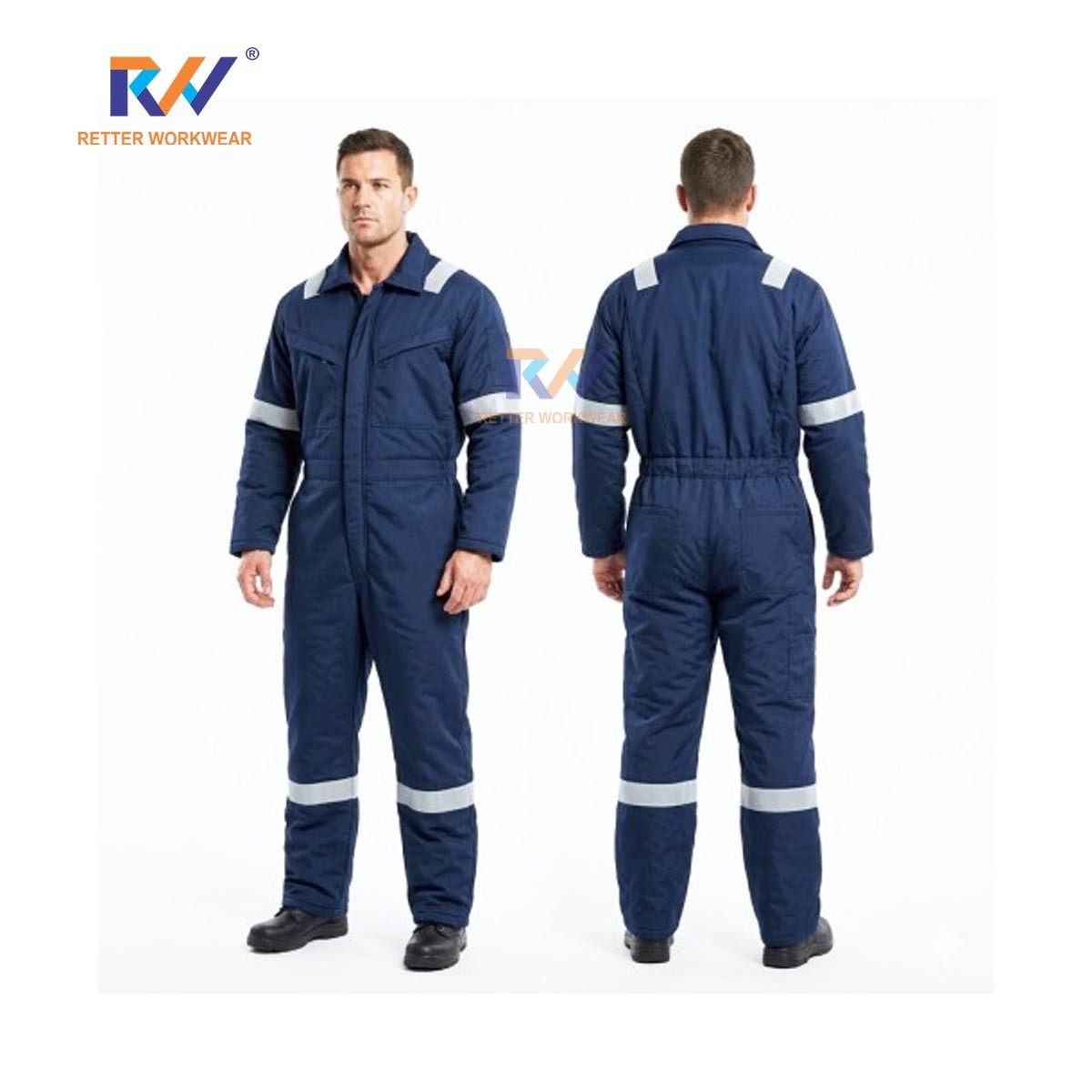
Winter conditions in industrial environments create a very specific kind of challenge. Workers are not just dealing with cold temperatures. They are dealing with cold temperatures while standing near ignition sources, flammable gases, and high-voltage equipment. That combination demands something most standard winter gear cannot deliver. The growing reputation of IFR Winter Coverall Manufacturers in India reflects how seriously this challenge is now being taken, and brands like Retter Workwear have helped raise that reputation through consistent, verifiable quality. Getting both thermal insulation and flame resistance right in a single garment is harder than it sounds. The manufacturers who manage it properly are worth knowing about.
Why Combining Warmth and Flame Resistance Is So Difficult
Most people assume adding insulation to a flame-resistant shell is straightforward. It is not. The insulation layer introduces its own set of risks if the materials are not selected carefully. Standard polyester wadding, commonly used in winter workwear, melts under heat exposure and can cause serious secondary burns. FR-compatible insulation materials cost more and require careful integration into the garment's overall construction. The outer shell, the lining, the stitching thread, and the insulation fill all need to work together without any single component undermining the others. Manufacturers who do this well have invested time and resources into understanding layered garment protection, not just surface-level flame resistance.
Where Indian Manufacturers Are Getting It Right
The honest answer is that not every manufacturer in India is getting it right. But the ones who have made very deliberate choices about how they operate:
- FR-compatible insulation fills, including treated hollow fibre and Thinsulate FR variants, are being sourced through verified supply chains.
- Outer shells made from inherently flame-resistant fabrics like Nomex or FR-treated heavy cotton are used without synthetic blends that compromise protection.
- Seam sealing and reinforcement techniques are applied specifically to prevent cold air ingress without adding materials that create ignition risk.
- Pattern construction accounts for the added bulk of insulation, ensuring freedom of movement is not sacrificed for warmth.
The Insulation Problem Nobody Talks About Enough
Buyers spend a lot of time evaluating flame resistance ratings and not enough time asking about insulation behaviour under heat. This gap in evaluation creates real risk. An IFR winter coverall that performs beautifully in standard flame testing can still fail a worker if the inner insulation layer collapses, melts, or produces toxic fumes when the outer shell is breached. Reputable manufacturers address this by specifying insulation materials that have been independently tested under thermal exposure conditions. They do not assume the outer shell will always hold. They build protection into every layer because field conditions rarely follow predictable patterns. Asking a potential supplier specifically about insulation material testing is one of the most useful questions a procurement team can ask.
Durability Across Seasons and Repeated Industrial Washing
A winter coverall that loses its insulation effectiveness after ten wash cycles is not a durable product. It is an expensive short-term solution. Durability in this category means maintaining both thermal performance and flame resistance through the kind of repeated industrial laundering that field operations demand. Manufacturers who take this seriously conduct accelerated wash testing on finished garments, not just on raw fabric samples. They track how insulation loft holds up, how seam integrity holds under repeated mechanical stress, and how FR properties behave as washing cycles accumulate. The results of that testing should be available to buyers on request. Any manufacturer unwilling to share wash durability data is worth approaching with real caution.
Asking the Questions That Actually Protect Your Workers
Procurement conversations around winter FR coveralls too often stay at the surface level. Price, lead time, and colour options dominate discussions that should be going much deeper:
- Request documentation confirming insulation material compatibility with FR performance standards, not just outer shell certification.
- Ask for wash cycle test reports showing both thermal retention and flame resistance results after repeated laundering.
- Confirm whether the garment's seams and closures use FR-rated thread and hardware throughout, not just in visible areas.
- Find out whether the manufacturer has field feedback from existing clients using the product in actual winter industrial environments.
Final Thoughts
Winter protection in hazardous work environments is one of those areas where cutting corners eventually catches up with everyone involved. Workers feel it first, but the consequences reach procurement teams, safety managers, and suppliers too. The manufacturers in India doing this work properly have earned their credibility through genuine investment in materials, testing, and construction standards. Finding them takes more effort than a quick price comparison. But for workers depending on that gear through a cold and demanding shift, that effort is exactly what they deserve.
