




- By: Admin
- Apr 29, 2026
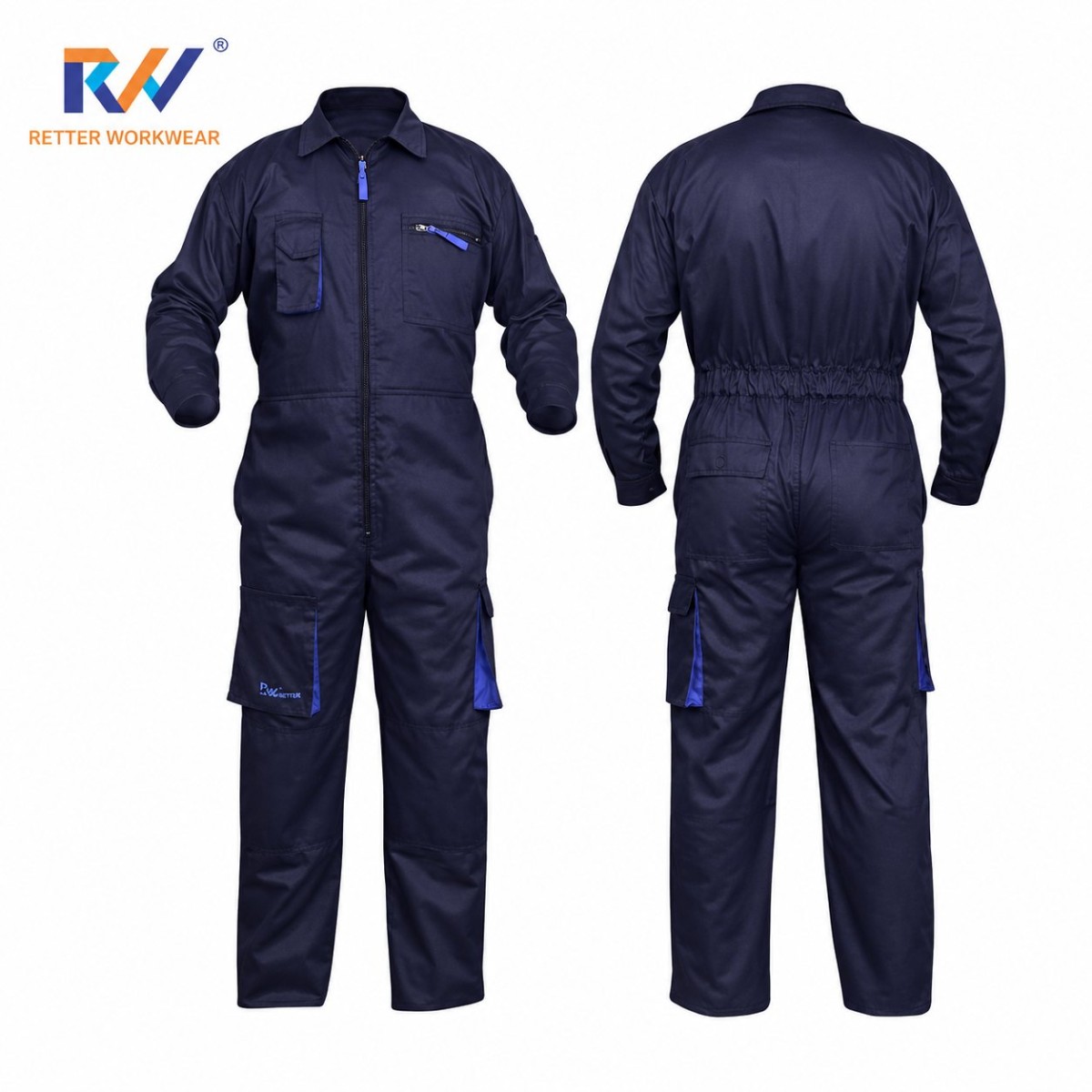
Global workwear buyers have become far more selective over the last decade. Safety standards have tightened, worker welfare conversations have grown louder, and procurement teams are being held accountable for the quality of gear they put on workers. Against that backdrop, Industrial Boiler Suit Manufacturers in India have quietly moved into a position that deserves genuine attention, and brands like Retter Workwear are part of why that shift is being taken seriously beyond domestic markets. The question is no longer whether Indian manufacturers can compete globally. The more honest question is how many of them are actually ready to, and what separates those who are from those who are not.
How the Perception of Indian Workwear Has Shifted
Ten years ago, industrial buyers in Europe and the Middle East largely treated Indian workwear as a budget fallback option. The assumption was that lower prices meant lower standards, and for a portion of the market, that assumption was not entirely wrong. What changed was investment. Serious manufacturers started putting real money into certified raw materials, better machinery, and quality systems that could withstand international scrutiny. Export-focused factories began hiring people who understood global compliance requirements rather than just local ones. The result is a manufacturing landscape that looks very different from what it was a decade ago, and buyers who have not revisited their assumptions about Indian suppliers are working with outdated information.
What Global Quality Actually Demands from a Boiler Suit
Meeting global workwear quality standards is not about aesthetics. It is about performance under conditions that put real stress on every component of the garment. Fabric has to resist tearing, abrasion, and in many applications, chemical exposure or flame. Stitching has to hold under physical strain without fraying at stress points. Hardware, including zippers, snaps, and buckles, needs to function reliably after months of daily use in demanding environments. Fit and ergonomics matter too, because a boiler suit that restricts movement or causes discomfort leads workers to modify or avoid wearing it properly. Manufacturers who understand all of these requirements simultaneously, rather than optimising for just one or two, are the ones producing genuinely world-class garments.
The Infrastructure Gap That Still Exists and Who Is Closing It
Not every manufacturer in India has made the investments needed to compete at the highest level. That honesty matters when buyers are making sourcing decisions. The gap between top-tier and average manufacturers shows up in specific places:
- Testing infrastructure is uneven. Some factories have modern in-house labs. Many rely on external testing that happens too infrequently to catch batch-level inconsistencies.
- Raw material sourcing varies significantly. Certified fabrics from audited mills are not universal across the industry, and the difference in end-product quality reflects that directly.
- Skilled pattern making and ergonomic construction are present in factories that have invested in experienced technical teams, and largely absent in those that have not.
Fabric and Construction Choices That Reveal True Capability
A boiler suit made for genuine industrial use tells you a lot about its manufacturer before you even put it on. The weight and weave of the fabric indicate whether it was chosen for performance or for cost savings. Canvas cotton and poly-cotton blends engineered for abrasion resistance behave very differently from lighter materials dressed up to look similar. The placement and depth of pockets show whether a pattern maker has spoken to workers or just copied a generic template. Reinforced knees, bar-tacked stress points, and properly finished internal seams are details that take more time and cost more to produce. Manufacturers who include them without being asked are demonstrating a standard of care that shows up consistently across their production.
Reading Between the Lines When Evaluating a Supplier
Experienced procurement managers develop instincts for supplier evaluation that go beyond certification checklists. Certain things signal genuine capability without needing to be stated directly. A manufacturer who volunteers test reports before being asked is proud of their results. One who takes time to understand the specific working environment before recommending a fabric weight is thinking about the end user. A factory that flags a potential lead time issue three weeks in advance, rather than the day before shipment, is run by people who respect their clients. These behavioural signals, accumulated across early conversations and sample orders, predict long-term reliability better than any single document.
Final Thoughts
India's position in global workwear manufacturing is stronger than many buyers currently give it credit for. The manufacturers earning that position have done so through consistent investment, honest quality management, and a genuine understanding of what industrial workers need from the gear they wear every day. Finding those manufacturers takes more effort than a quick online search and a price request. But for procurement teams responsible for outfitting workers in demanding environments, that effort is not optional. It is exactly what the job requires.
