




- By: Admin
- Sep 23, 2026
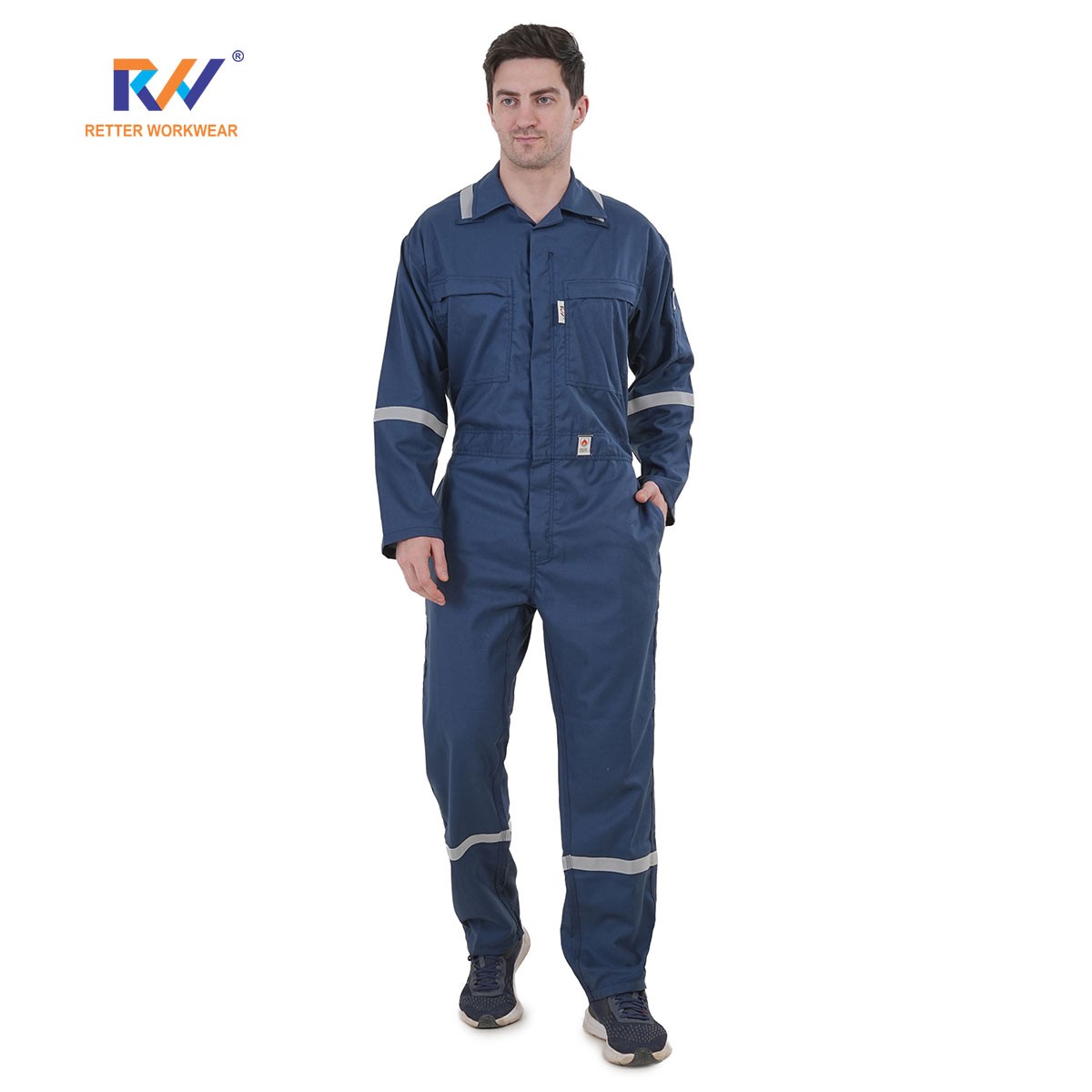
A technician on an oil rig once said flash fires don't give you a second chance to react properly. That kind of split-second risk changes how a facility thinks about gear pretty fast. Sites operating under this kind of pressure usually end up sourcing proper IFR Coveralls from someone like Retter Workwear, once flame resistance stops being a checkbox and starts being about survival. Getting this right isn't about ticking a compliance form; it's about someone actually walking away from something that could've gone very badly.
Why a Fire-Resistant Label Doesn't Always Mean What You Think
Plenty of coveralls get labeled fire-resistant without offering protection that actually lasts. Some fabrics get that resistance from a surface coating that slowly washes out over time. A coverall that protected fine on day one might quietly fail after a hundred industrial washes. Workers wearing that gear often have no clue the protection they're counting on has already worn thin underneath.
What Makes a Fabric Resistant at the Fiber Level, Not Just the Surface
The fiber itself matters way more than most people assume when picking out protective gear. Fabric built with flame resistance baked into its molecular structure doesn't lose that property through washing or general wear.
- Fiber-level resistance that survives hundreds of industrial wash cycles
- Self-extinguishing behavior that stops burning once contact ends
- No dependence on surface coatings that break down with use
- Consistent protection across the entire life of the garment
- Performance that doesn't fade with age the way treated fabric does
Facilities that get this difference tend to invest in fiber-level protection instead of coatings that need constant checking.
Treated Fabric vs. Something Built Differently From the Start
Terms in this space get thrown around loosely, and that confusion sometimes pushes facilities toward the wrong product entirely. Inherent FR fabric refers to material where the flame resistance comes from the fiber itself, not some added chemical layer sprayed on top. That distinction really matters in places with repeated exposure or long daily wear. A garment built on inherent properties just doesn't face the same slow failure risk that treated fabric runs into over years of use.
Comfort Isn't Something You Should Ignore While Choosing Gear
Protective fabric sometimes trades breathability for safety, leaving workers uncomfortable through long, demanding shifts. Heat exhaustion becomes a real concern once flame-resistant material stops letting air move properly during physical work. A coverall that stops fire but leaves someone overheating isn't really solving the whole problem. IFR Manufacturers who get this build in ventilation without messing with the fabric's protective rating.
Getting the Fit Right Without Sacrificing Safety
A coverall too loose can catch on equipment while someone's working in a tight or hazardous space. One too tight restricts exactly the movement someone needs when they have to react quickly. Getting sizing right across a mixed crew takes real testing, not just one standard cut used for everybody. Manufacturers who take this seriously end up producing IFR Coveralls that protect without slowing anyone down when it actually matters.
Replacing Gear Based on Real Wear, Not a Guess
Flame-resistant properties can weaken gradually depending on how often something gets washed or exposed to heat. A coverall that worked fine a year ago might not offer the same protection today, with zero visible warning. Facilities that actually track garment age and wash counts catch this decline before it turns into a real safety gap.
A few habits worth building into a regular check:
- Logging wash cycles per garment to estimate how much life is left
- Checking seams and cuffs for fraying near high-stress spots
- Comparing current performance against the original certification
- Rotating coveralls across shifts so no single one takes all the wear
- Swapping gear out early instead of waiting for a visible failure
Facilities that build this habit in tend to spend less on emergency orders and keep their crew properly protected every shift.
Final Thoughts
Protective gear in high-risk places only matters if it actually holds up during a real emergency, not just on a spec sheet somewhere. Facilities that invest in properly built, well-fitted coveralls tend to see fewer close calls and a lot more confidence from the people wearing them daily. Gear that quietly does its job rarely gets noticed, but everyone feels it the moment something goes wrong. Getting this right protects both the crew and the whole operation counting on them every single day.
