




- By: Admin
- Sep 20, 2026
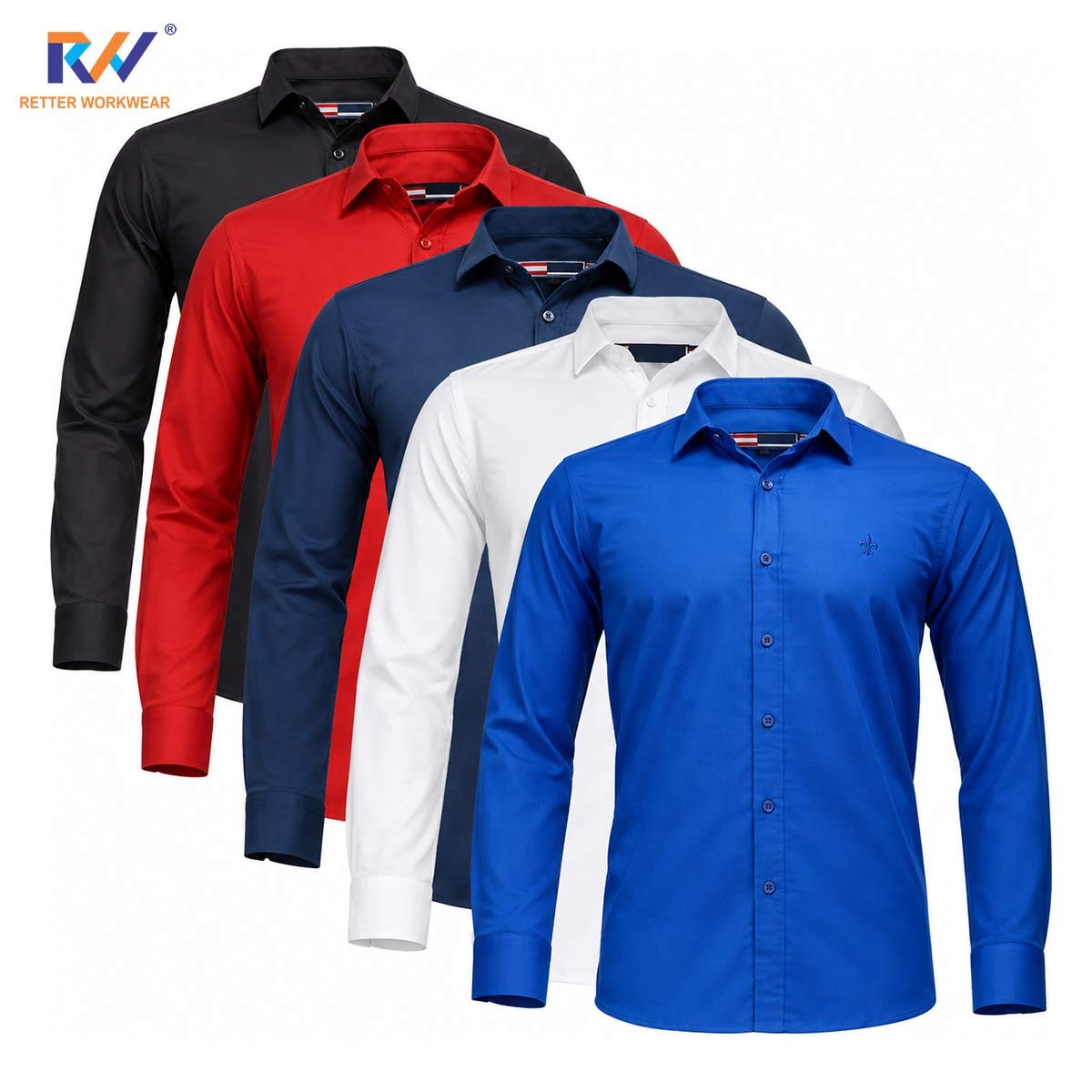
A supervisor once counted seventeen shirts tossed out in a single month, every one torn at the same shoulder seam. That kind of pattern usually points to a fabric problem, not just bad luck. Facilities noticing this tend to switch over to proper Industrial Work Shirts from someone like Retter Workwear, once quality finally starts mattering more than just chasing a lower price. Getting this right saves money down the line and keeps workers comfortable through shifts that genuinely wear people down.
Why the Same Seam Keeps Giving Out Across the Whole Crew
A failure showing up in the same spot on multiple shirts is rarely coincidence; it's usually a weak design choice. Shoulders take constant stress from lifting, reaching, and hauling stuff around all shift long. Cheap stitching right there gives out faster than anywhere else on the shirt. Once one shirt tears in that spot, chances are the rest of the batch shares the same weak point.
What Actually Survives Real Physical Work Day After Day
Not every shirt sold as "workwear" can actually handle the movement industrial jobs demand. Some suppliers focus more on how it looks than how it holds up.
- Double-stitched seams at the shoulders, underarms, and cuffs
- Fabric heavy enough to resist tearing during repetitive motion
- Breathable material that doesn't trap heat through a long shift
- Reinforced pockets that hold tools without stretching out
- Colorfastness that survives repeated industrial washing without fading fast
Skip this check, and you'll probably see the same tear pattern show up again in a few months.
Fit Issues Nobody Mentions Until Someone Actually Gets Hurt
A shirt too tight across the shoulders limits exactly the kind of movement workers need for lifting or reaching overhead. One that's too loose can catch on machinery or tools without anyone meaning for that to happen. Getting sizing right across a mixed crew takes more thought than just picking one standard cut for everybody. Manufacturers who actually test fit across different body types end up making shirts that move naturally instead of fighting against the person wearing them.
Why the Job Itself Should Decide the Fabric
Someone welding needs completely different fabric than someone working a cold storage shift all day. Heat resistance matters in one setting, insulation matters in the other, and treating both jobs the same usually means someone's stuck in the wrong gear. Facilities that actually match fabric to the real conditions on site tend to deal with fewer complaints and fewer early replacements. Industrial Work Shirts built with a specific job in mind hold up a lot longer than generic, one-size-fits-all options ever do.
Finding Solid Work Shirts Suppliers Before You're Desperate
Waiting until stock runs low before even looking at options usually leads to rushed decisions nobody's happy with later. Facilities that line up dependable Work Shirts Suppliers ahead of time skip that scramble entirely. A supplier relationship built before things get urgent tends to come with better pricing and more reliable delivery times too. That groundwork matters most during peak seasons, when everyone else is also placing last-minute orders.
Rotating Shirts So They Actually Last Longer
Crews that rotate shirts instead of relying on just one tend to see a lot less concentrated wear on any single piece. Giving each worker two or three shirts, not one, lets the fabric rest between washes and shifts instead of getting hammered constantly.
- Rotating two to three shirts per worker through the week
- Washing on a schedule that avoids unnecessary heat exposure
- Checking seams monthly instead of waiting for a visible tear
- Swapping out shirts early once fabric starts thinning noticeably
- Keeping track of replacement patterns to catch recurring weak spots
Facilities that build this habit in usually end up spending less overall than those that replace shirts only after something rips.
Final Thoughts
Gear that survives a tough shift rarely gets noticed; people only bring it up the day it lets them down. Facilities that put real thought into fit and durability tend to see fewer replacements and a lot fewer complaints from a tired crew. A shirt that quietly does its job through a full day says more about a supplier's standards than any pitch ever could. This was never really about finding the cheapest option; it's about matching gear to what the actual workday demands.
