




- By: Admin
- Apr 24, 2026
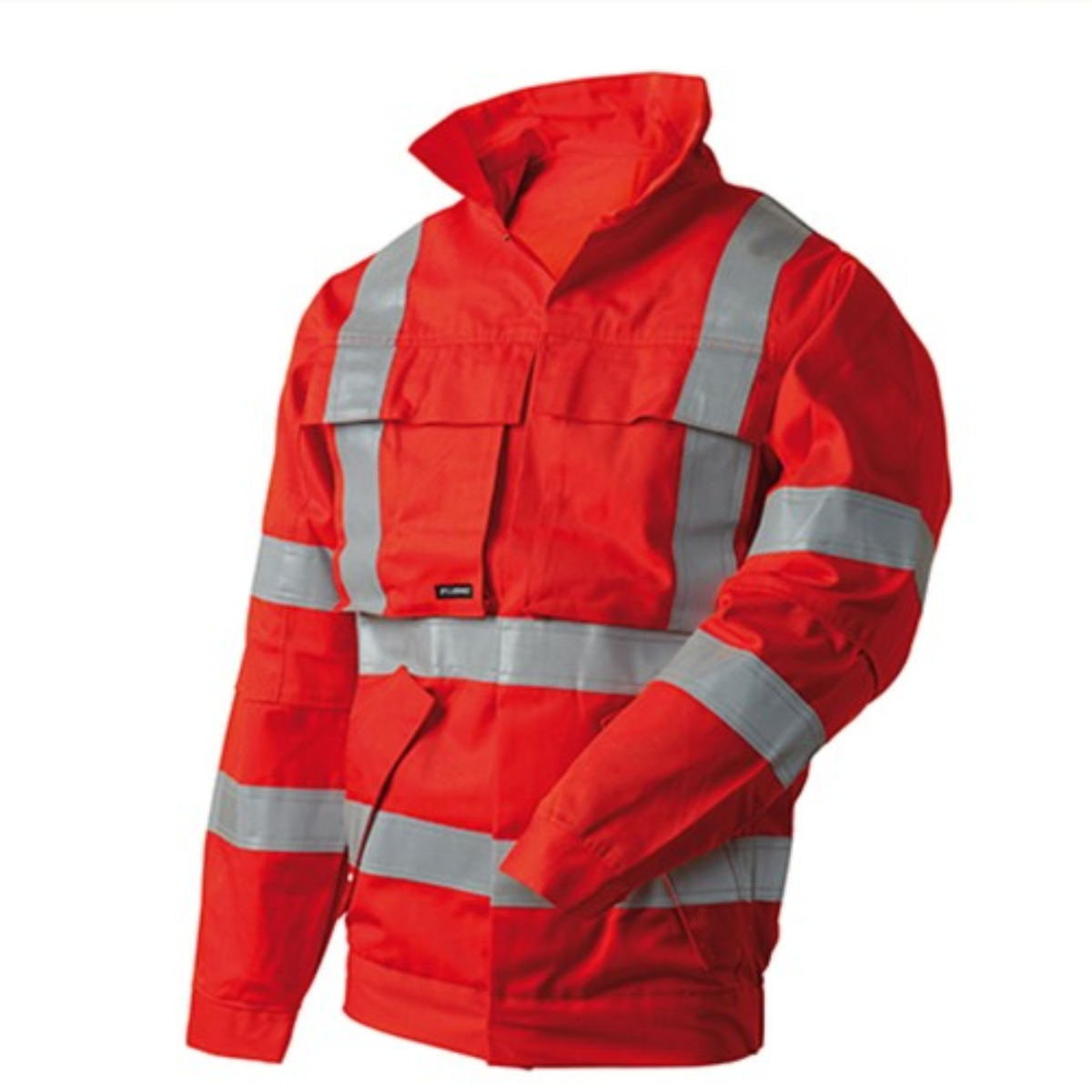
Something has quietly shifted in how the Middle East sources its industrial safety wear. Buyers who once looked exclusively to European suppliers are now paying serious attention to what India is producing. The conversation around IFR Jacket Manufacturers in India has grown louder, and brands like Retter Workwear are a big reason why that conversation has substance behind it. Workers in refineries and oil fields cannot afford gear that looks good on paper but fails under pressure. The standard being set right now is not about competing on price alone. It is about proving that quality and compliance can come from the same place.
The Certification Game Is Harder Than It Looks
A lot of manufacturers talk about being ADNOC compliant. Very few actually understand what earning that means. The process demands more than submitting paperwork and waiting for approval. Fabric samples get tested under controlled flame exposure. Seam strength gets pulled apart under measured tension. Every component, from the thread count to the reflective tape adhesive, gets scrutinized carefully. Manufacturers who have genuinely cleared this process will tell you it forced internal changes they were not expecting. Production timelines had to be rethought. Raw material sourcing had to be tightened. Quality control had to move earlier in the process rather than sitting at the end. Compliance is not a badge you earn once and forget about.
How Indian Factories Have Quietly Upgraded Themselves
Five years ago, the skepticism toward Indian workwear for safety-critical applications was fair. The infrastructure simply was not where it needed to be. That has changed in ways that are hard to ignore now:
- FR fabric sourcing has matured, with certified Proban and Nomex materials now available through established local supply chains.
- Stitching technology has moved forward, with double-needle and chain-stitch construction becoming standard in factories targeting export markets.
- In-house testing labs have been built by serious manufacturers who want to catch problems before clients do.
- Workforce training around quality standards has improved, meaning floor-level decisions are made with more awareness than before.
The factories doing this work properly are not cutting corners to compete. They are investing to stay relevant in demanding markets.
Where Fabric Performance Gets Decided
Most buyers look at a finished coverall and make judgments based on weight, feel, and stitching. What they cannot see is how that fabric will behave after thirty industrial wash cycles. That is where the real difference shows up. Proban-treated cotton suits environments with moderate thermal risk and keeps workers comfortable through long working hours. Nomex blends step up for situations involving more direct heat exposure over sustained periods. The manufacturers worth trusting are the ones tracking fabric performance beyond the initial sale. They pull samples from each production batch and test before cutting begins. They work with mills that can provide traceability documentation for every roll of fabric. That level of discipline does not happen by accident.
Construction Choices That Workers Actually Notice
Talk to someone who wears a coverall for ten hours a day, and they will point to things that product descriptions never mention. The way a gusseted crotch panel removes pressure on seams during physical movement. The bar-tacking at stress points that stops small tears from becoming large ones. The wrist closure that stays where it is supposed to, rather than working itself loose by afternoon. These decisions come from manufacturers who have spent time understanding the end user rather than just the end buyer. Good pattern makers, experienced quality teams, and honest feedback loops with field workers produce coveralls that people actually want to wear. That is harder to achieve than it sounds.
Asking the Right Questions Before Committing to a Supplier
Due diligence in this category gets rushed more often than it should. Procurement timelines create pressure, and shortcuts happen. But the questions worth asking before placing a bulk order are not complicated:
- Can the manufacturer provide third-party lab reports tied to the specific fabric batch in your order?
- When was their last independent audit conducted, and what did it cover?
- How do they handle quality deviations mid-production rather than at final inspection?
- What is their process for maintaining compliance across repeat orders, not just the first one?
Final Thoughts
The factories in India doing this work seriously have earned attention that would have seemed unlikely a decade ago. Getting there required real investment, honest self-assessment, and a willingness to meet global standards without making excuses. Buyers who take the time to look past price lists and dig into documentation, construction quality, and supplier transparency will find genuine partners in this space. The standard being set is real. It just takes the right questions to see it clearly.
