




- By: Admin
- Jun 22, 2026
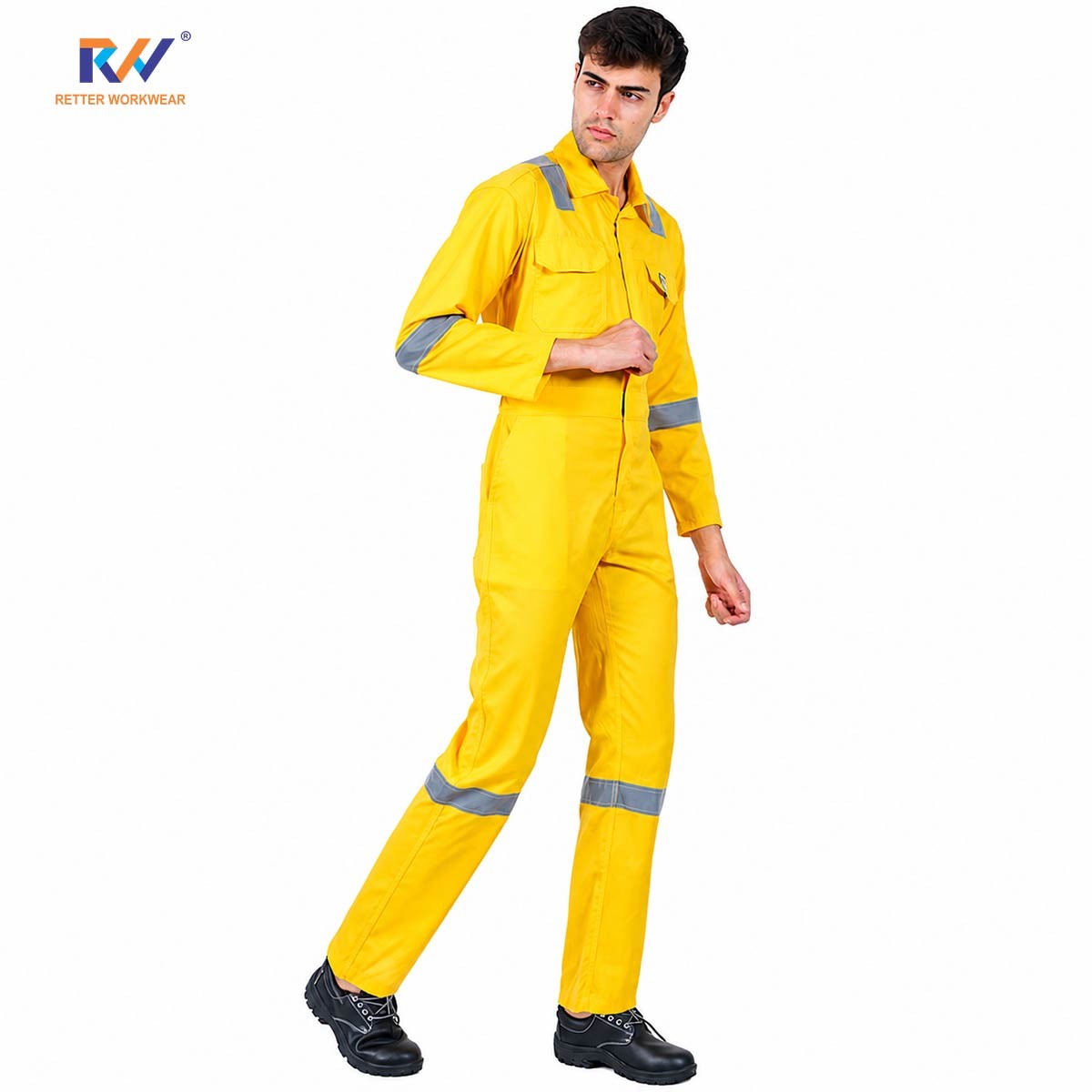
Workers across high-risk industries depend on their protective clothing in ways that go far beyond comfort or fit. A single layer of fabric can be the difference between walking away from an incident and suffering a life-altering injury. Retter Workwear, as experienced manufacturers, provides the best FR Coverall in Australia, built specifically for the demands of oil and gas sites, refineries, and other environments where flash fires and electrical arcs are a genuine, daily risk. This guide walks through what compliant protective clothing actually requires and why the right manufacturing partner matters as much as the fabric itself.
Why the Right Manufacturing Partner Matters More Than the Price Tag
Industrial safety buyers often compare protective clothing on price alone, without fully accounting for the manufacturing quality behind it. Reliable FR Coverall manufacturers distinguish themselves through consistent fabric sourcing, rigorous quality checks at every production stage, and a track record of meeting the exact standards that high-risk industries require. A coverall that fails under real flash-fire conditions because of a substandard seam or an inconsistent fabric batch is not a cost saving. It is a liability that puts a worker's safety on the line. Procurement teams at refineries, petrochemical plants, and power plants increasingly recognize that the manufacturer's reliability matters as much as the garment's listed specifications.
IFR Coverall Manufacturers in Australia: Understanding the Role of Inherent Flame Resistance
Not all flame-resistant clothing is built the same way, and the distinction matters significantly for buyers making long-term procurement decisions. The IFR Coverall Manufacturers in Australia produce garments where the flame resistance is woven into the fibre itself rather than applied as a surface treatment that can wash out or wear off over time. This inherent protection holds up across the full working life of the garment, which matters enormously for welding contractors, mining companies, and electrical contractors who put their clothing through repeated washing and heavy daily wear.
- Flame resistance that remains constant across hundreds of industrial wash cycles without degrading over time
- Fabric performance that does not rely on a surface coating that can be damaged by abrasion or harsh detergents
- Consistent protective performance across the entire lifespan of the garment, not just when it is new
What Certification Actually Confirms for a Buyer
A garment that simply looks protective is not the same as one that has been independently tested and verified against recognized industrial safety standards. A certified FR safety coverall has passed specific testing protocols that measure how the fabric behaves under direct flame exposure, how quickly it self-extinguishes, and how well it limits heat transfer to the skin beneath it. For safety officers and procurement managers working across oil and gas companies, manufacturing units, and industrial safety distributors, certification removes the guesswork from a purchasing decision.
- Independent laboratory testing results that match the specific industrial standard relevant to the buyer's sector
- Clear documentation that accompanies every batch, not just a general claim printed on the product page
- Consistency between the certified sample and the actual garments delivered in bulk orders
The Broader Category of Protection Buyers Should Understand
A complete protective clothing strategy is not just a single garment purchase but it is what that genuinely reduces workplace risk over time. Coveralls are one part of a much larger category of Fire Resistant Clothing in Australia that includes jackets, trousers, hoods, and accessories designed to work together as a complete protective system. A buyer focused only on the coverall while overlooking complementary garments leaves gaps in coverage that a flash fire or arc event can exploit instantly. Power plants and petrochemical facilities in particular benefit from standardizing an entire protective wardrobe through a single manufacturer, since fabric consistency and fit compatibility across garments reduce the risk of exposed skin during an incident.
FR Coverall in Australia: Industrial Buyers Are Raising Their Standards
Across every sector represented in this guide, from welding contractors to EPC companies, the standard for what counts as acceptable protective clothing has risen considerably in recent years. Regulatory scrutiny has tightened and workforces are more informed about what genuine protection looks like. And the cost of a safety failure, both human and financial, has made cutting corners on protective clothing an increasingly unacceptable risk for any serious industrial operation. As workplace risks grow more complex, the demand for dependable protection continues to rise.
- Stricter safety regulations have raised the benchmark for protective clothing across industries.
- Workers today are more aware of quality standards and expect real protection on-site.
- Safety failures now carry heavy human and financial costs, making compromises far riskier.
The Standard Worth Holding Every Supplier To
Compliant industrial protective clothing is not a single purchase decision. It is an ongoing relationship with a manufacturer who understands fabric science, certification requirements, and the daily realities of high-risk industrial work. For every safety officer comparing suppliers, every procurement manager weighing cost against genuine protection, and every industrial safety distributor representing these products to end users: the right manufacturing partner is the one whose certification holds up under scrutiny, whose fabric performs consistently year after year.
