




- By: Admin
- Jun 23, 2026
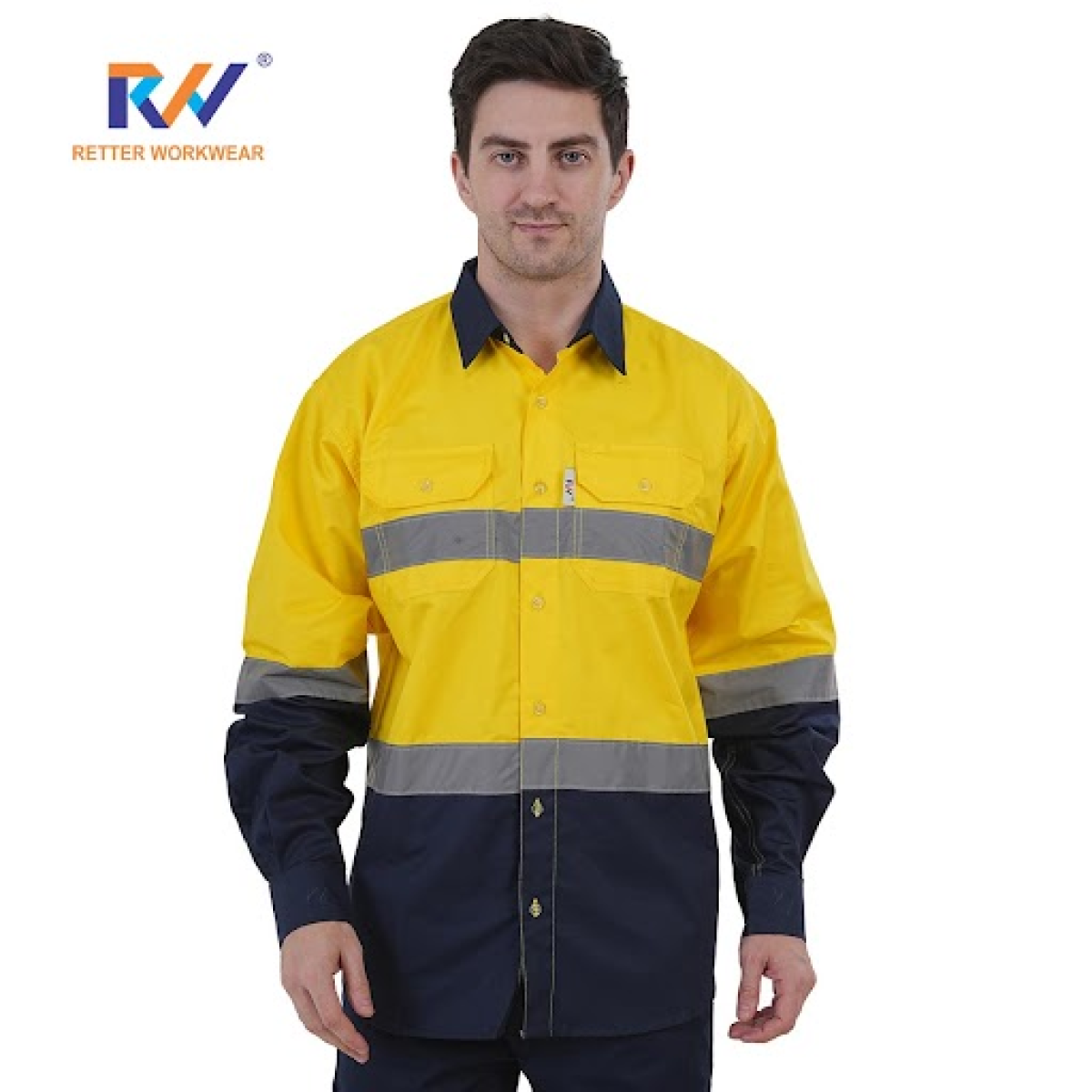
Workers operating near moving vehicles, heavy machinery, or low-light conditions rely on one simple thing to keep them seen: the visibility of what they are wearing. A shirt that fades, dulls, or fails to meet recognized reflective standards puts a worker at risk the moment visibility actually matters. Retter Workwear as leading High Visibility Shirt Manufacturers builds garments specifically for the demands of refineries, mining sites, and power plants, where being seen quickly can prevent a serious accident. This guide walks through what genuinely compliant high visibility workwear requires and why the manufacturer behind it matters as much as the colour itself.
Why Consistency Across Every Batch Matters So Much
Procurement teams ordering high visibility shirts in bulk for large workforces often discover that not every batch performs the same way once it reaches the field. A Dependable high visibility shirt holds its brightness and reflective strength consistently across hundreds of wash cycles, regardless of which production run it came from. Buyers at petrochemical plants and EPC companies, where workforces can number in the hundreds, need that consistency guaranteed before placing a large order, not discovered after garments have already faded on site. A manufacturer that tests every batch against the same fixed standard, rather than allowing quality to drift between orders, gives safety officers one less variable to worry about when outfitting an entire site.
What Separates Genuine Reflective Performance From a Quick Fix
A high visibility shirt is only as good as the reflective material stitched into it, and not all reflective tape performs equally once it has been through repeated industrial use. Manufacturers providing reflective shirts with hi vis that genuinely holds up understand that the tape's adhesive bond, its resistance to cracking, and its retroreflective brightness under headlight conditions all need to be tested under realistic working conditions, not just in a clean showroom sample.
Three things that distinguish reflective material built to last include:
- Tape that maintains its retroreflective brightness even after dozens of industrial wash and dry cycles
- Stitching that secures the reflective strips firmly enough to resist peeling during heavy daily movement
- Material that continues performing in low-light and night conditions where visibility genuinely determines worker safety
FR Shirts: Combining Visibility With Flame Protection in a Single Garment
Some industrial environments demand more than visibility alone. Welding contractors and workers near electrical arc hazards often require garments that combine high visibility with genuine flame resistance built into the fabric itself. Genuine FR Shirts address this by weaving flame-resistant properties directly into the fibre rather than relying on a surface treatment that can wash away over time, while still meeting the brightness and reflective standards required for visibility compliance.
Three considerations that matter when sourcing this dual-purpose garment include:
- Confirmation that the flame-resistant property is inherent to the fibre and not a coating that degrades with washing
- Reflective tape rated to withstand the same heat exposure the flame-resistant fabric is designed for
- Certification that addresses both the visibility standard and the flame resistance standard separately, not just one or the other
Why the Broader Manufacturing Process Deserves Scrutiny Too
A single compliant garment means very little if the Industrial safety clothing manufacturing process behind it is inconsistent or poorly documented. Buyers across manufacturing units and industrial safety distributors increasingly ask suppliers detailed questions about fabric sourcing, dye-lot consistency, and the quality control checkpoints applied during production before committing to a large order. A manufacturer who can document each stage of production, from raw fabric through to the finished, certified garment, gives buyers far more confidence than one who can only point to a finished sample and a certificate. This transparency in process is what ultimately protects buyers from receiving a shipment that looks right on paper but performs inconsistently once distributed across a real workforce.
High Visibility Shirt Manufacturers: Buyers Across Every Sector Are Now Expecting
From refineries to EPC companies, the expectations placed on safety workwear suppliers have risen steadily as workforces and regulators alike demand more verifiable proof of performance. A garment that simply claims to be high visibility is no longer enough. Buyers want IFR Shirts which documented testing, consistent batch quality, and manufacturers who understand exactly how their product will be used on an actual industrial site, not just how it looks in a catalogue.
- Industrial buyers now demand proven safety standards, not just product claims or visual appeal.
- Documented testing and consistent manufacturing quality have become major purchasing priorities.
- Suppliers are expected to understand real on-site hazards, not just produce catalogue-ready workwear.
The Visibility Standard Every Workforce Deserves
Compliant high visibility workwear is not a one-time purchase decision. It is a continuing commitment from a manufacturer who understands fabric durability, reflective performance, and the specific hazards of the industries they serve. For every safety officer evaluating suppliers, every procurement manager balancing cost against genuine protection, and every industrial safety distributor representing these garments to end users: the right manufacturing partner is the one whose reflective tape still shines after a hundred washes, whose flame-resistant fabric never loses its protective edge, and whose process can be documented from raw material to finished garment without a single gap in the story.
