




- By: Admin
- Aug 25, 2026
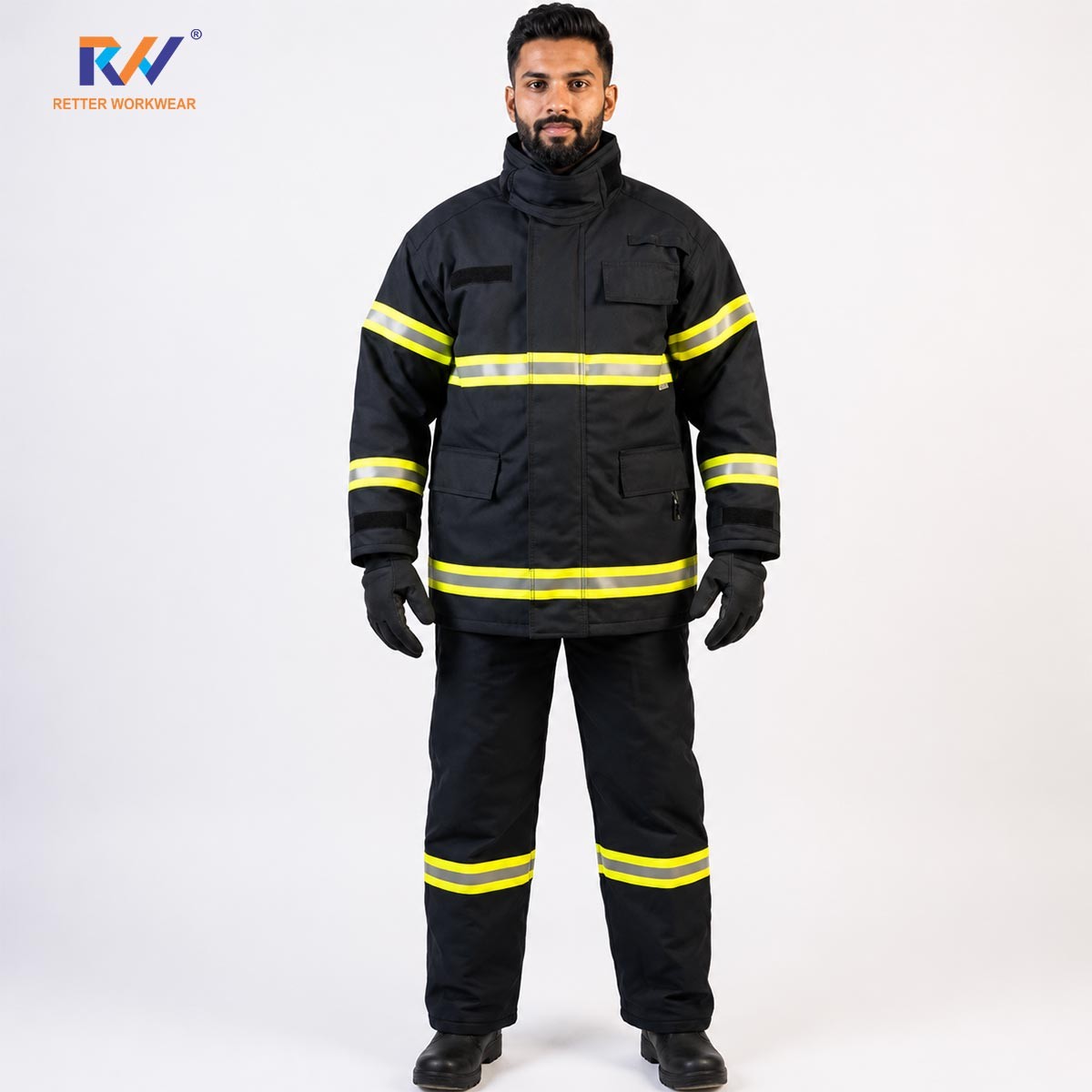
When an alarm suddenly goes off in a boiler room or chemical storage bay, nobody has five minutes to stand around checking seam stitches or inspecting zipper teeth. You grab the gear from the wall, pull it on as fast as you can, and head toward the trouble. In those split seconds, you are completely relying on whoever made the procurement decision months earlier. Flash fires don't give warnings, and ambient heat climbs fast enough to melt ordinary synthetic clothing straight onto bare skin. Choosing a dependable Fire Suit is easily one of the most critical calls a plant safety head will ever make, simply because there is zero margin for error when flames break out.
How Fire Suit Manufacturers in India Stepped Up
Years ago, getting hold of decent thermal gear in our industrial sector was a genuine headache. Almost everything had to be shipped in from overseas, which meant dealing with steep import duties, months of customs delays, and gear designed for freezing Western winters rather than a humid industrial corridor in Maharashtra or Gujarat. Workers ended up swimming in oversized sleeves and soaking through thick linings before they even reached the hotspot. Today, dedicated Fire Suit Manufacturers in India have turned that entire dynamic around. Local production now delivers certified gear built around international benchmarks like EN 469 and NFPA standards, but with cuts, proportions, and breathable layers tailored specifically for Indian working conditions.
What Real Heat Protection Actually Feels Like
Product brochures love throwing around high-tech jargon and trademarked fiber names, but out on the floor, thermal survival comes down to how three basic layers interact under extreme heat.
Here is what actually matters when you look past the sales pitch:
- The outer shell must stay intact: The outer shell can char, turn dark, and take a beating, but it must never break open. If that outer weave splits, direct flames reach the inner insulation instantly.
- Moisture barriers prevent steam burns: Heavy sweating is inevitable during an emergency. A working barrier lets your sweat vapor escape outward while stopping hot water, chemical splashes, and scorching steam from soaking inward.
- Dead air does the actual insulating: The inner thermal liner works by trapping tiny pockets of stationary air. That cushion of still air is what stops conductive heat from blistering your skin.
- Hardware you can use with gloves on: Tough brass or aramid-covered zippers, wide storm flaps, and large pull tabs mean you can secure your coat quickly without fumbling with bare hands.
How to Deal with IFR Suit Suppliers in India
Finding someone with a glossy catalog of safety wear is pretty easy, but finding vendors who understand thermal physics is a completely different story. When you sit down with IFR Suit Suppliers in India, don't settle for generic promises. Demand to see accredited laboratory test reports with clear batch tracking numbers. Better yet, get a sample set into your plant and have your emergency response team wear it during a live drill. Watch how they move when hauling hoses or climbing vertical ladders. If the jacket rides up and leaves their lower back exposed, or if the collar chafes their neck raw in ten minutes, you know that design won't work during a real incident.
The True Cost of Bargain Safety Gear
Safety budgets are always under scrutiny, but buying low-cost thermal wear is a trap that ends up costing far more down the line. Cheap treated fabrics degrade after a dozen commercial washes, seams unravel under routine drills, and low-grade batting clumps together, creating dangerous cold spots where heat punches straight through. Working with trusted names like Retter Workwear makes practical financial sense. Sourcing directly from reputable Fire Suit Manufacturers in India ensures you receive garments made with high-tenacity aramid threads, reinforced knees, and stable thermal liners that survive repeated laundering without losing their protective qualities.
Getting the Fit and Care Right
Even top-grade turnout gear can fail if the sizing is off. If a Fire Suit is way too loose, excess fabric easily catches on valve handles, pipes, and scaffolding. If it is cut too tight, the fabric gets compressed against the body, crushing that vital layer of trapped air and letting heat transfer directly to the skin twice as fast. Once the gear is on-site, treat maintenance seriously. Inspect outer shells for oil residues after every drill, send soiled sets for proper decontaminating washes, and never let crews store wet gear in unventilated metal lockers where dampness ruins the internal batting.
Looking Out for the Crew
Nobody buys emergency gear hoping they will have to test it in a real disaster. But if that siren screams across the facility, the people running toward the danger need total confidence in what they are wearing. Equipping your responders with a properly certified Fire Suit ensures they have the physical defense needed to handle the situation and walk back out safely. Taking the extra time to check test certificates, run fit trials, and work with reliable manufacturers isn't just about passing the next regulatory audit—it is about looking out for the people who keep our plants running every single day.
