




- By: Admin
- Apr 26, 2026
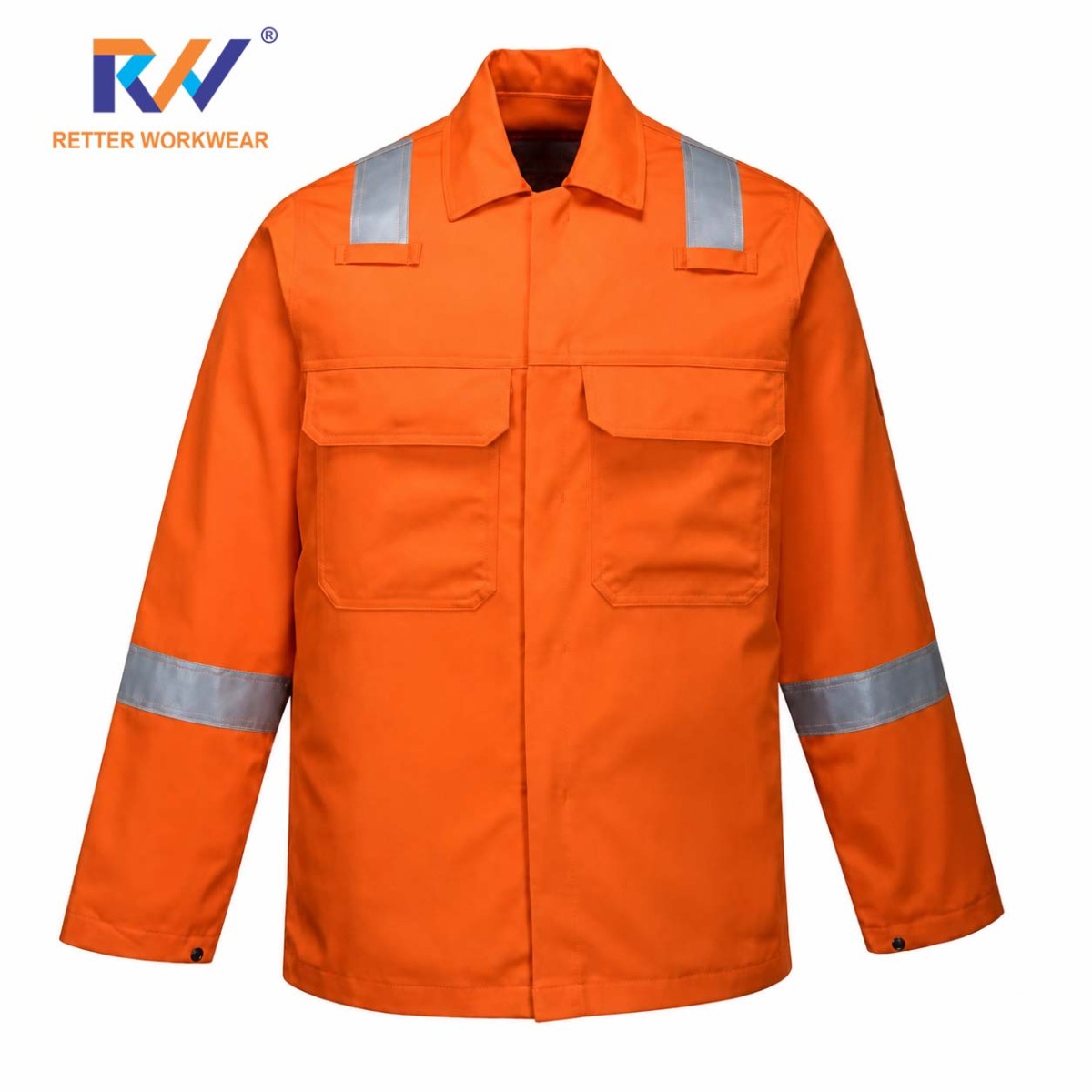
There is a difference between clothing that looks safe and clothing that actually performs when conditions turn dangerous. In oil fields, refineries, and chemical plants, that difference matters more than anything else. The conversation around IFR Shirt Manufacturers in India has grown significantly over the past few years, and brands like Retter Workwear have played a real role in shifting how seriously this category is taken. Workers in extreme environments need shirts that respond correctly when exposed to ignition sources, not ones that simply carry a label claiming they do. Understanding how seriously manufacturers approach this challenge is worth knowing before placing any order.
What Flame Resistance Actually Means in Practice
A lot of people confuse flame-resistant with fireproof. They are not the same thing. Flame-resistant fabric is designed to self-extinguish when the ignition source is removed. It does not catch and spread. It does not melt into the skin the way synthetic materials do under heat. That distinction saves lives in flash fire situations where exposure lasts only a few seconds. Manufacturers who understand this build shirts around that specific protection window. The fabric has to perform in those critical first seconds. Everything else, comfort, fit, durability, comes after that fundamental requirement is met without compromise.
The Science Behind Fabric Selection
Choosing the right base fabric is where protection genuinely begins. Most manufacturers working at a serious level are making decisions between a few key material categories:
- Inherently flame-resistant fibres like Nomex do not rely on chemical treatment. The protection is built into the fibre structure permanently.
- Treated cotton using Proban or similar processes offers good protection at a lower cost but requires monitoring across wash cycles.
- FR Modacrylic blends combine softness and thermal protection, making them suitable for environments requiring extended wear comfort.
- Moisture-wicking FR fabrics are increasingly used in hot climates where heat stress adds a secondary risk alongside flame exposure.
The right choice depends on the specific environment, but manufacturers who understand each option and guide buyers accordingly are the ones worth working with long term.
How Washing Cycles Expose the Real Quality Gap
This is where many buyers get caught off guard. A shirt can pass flame resistance testing when it is brand new and still fail to protect a worker six months into regular use. Treated fabrics lose their FR properties faster when washed incorrectly or when the treatment was applied poorly during manufacturing. Serious manufacturers test fabric samples after repeated wash cycles, not just before the garment ships. They specify care instructions that are actually compatible with industrial laundry processes. They also communicate clearly about the expected lifespan of the garment's protective properties. That transparency separates manufacturers who stand behind their product from those who disappear after the invoice is paid.
Construction Details That Go Beyond the Surface
Protection in an IFR shirt is not carried by fabric alone. The way the shirt is constructed determines how that protection holds up under real working conditions. Seams placed along the sides rather than the shoulders reduce pressure points during extended wear. The thread used in stitching must also carry FR properties; the seam itself becomes a weak point under flame exposure. Button and closure materials need to be non-melting. Even the labels sewn into the collar are considered by manufacturers who take construction seriously. These details are easy to overlook when reviewing a product specification, but workers notice them the moment something goes wrong on site.
What Separates Genuine Suppliers from the Rest
Procurement teams under deadline pressure sometimes make decisions based on price and delivery timelines alone. That approach creates risk in a category where the product's job is to protect human beings:
- Always request EN ISO 11612 or NFPA 2112 certification documentation tied to the specific fabric batch in production.
- Ask for third-party wash durability test reports, not just initial flame resistance results from the manufacturer's own lab.
- Request physical samples and have them tested independently before committing to a large order.
- Confirm that the supplier's quality standards apply consistently across repeat orders, not just the first shipment.
Final Thoughts
Buying protective shirts for extreme work environments is not a decision that should be driven by convenience or cost alone. The people wearing that gear trust that someone upstream made the right calls about materials, construction, and testing. Finding suppliers who take that responsibility seriously requires asking harder questions and looking past surface-level compliance claims. India has manufacturers genuinely capable of delivering at the highest level. The key is knowing how to identify them and holding them to the standard their workers deserve.
