




- By: Admin
- Sep 14, 2026
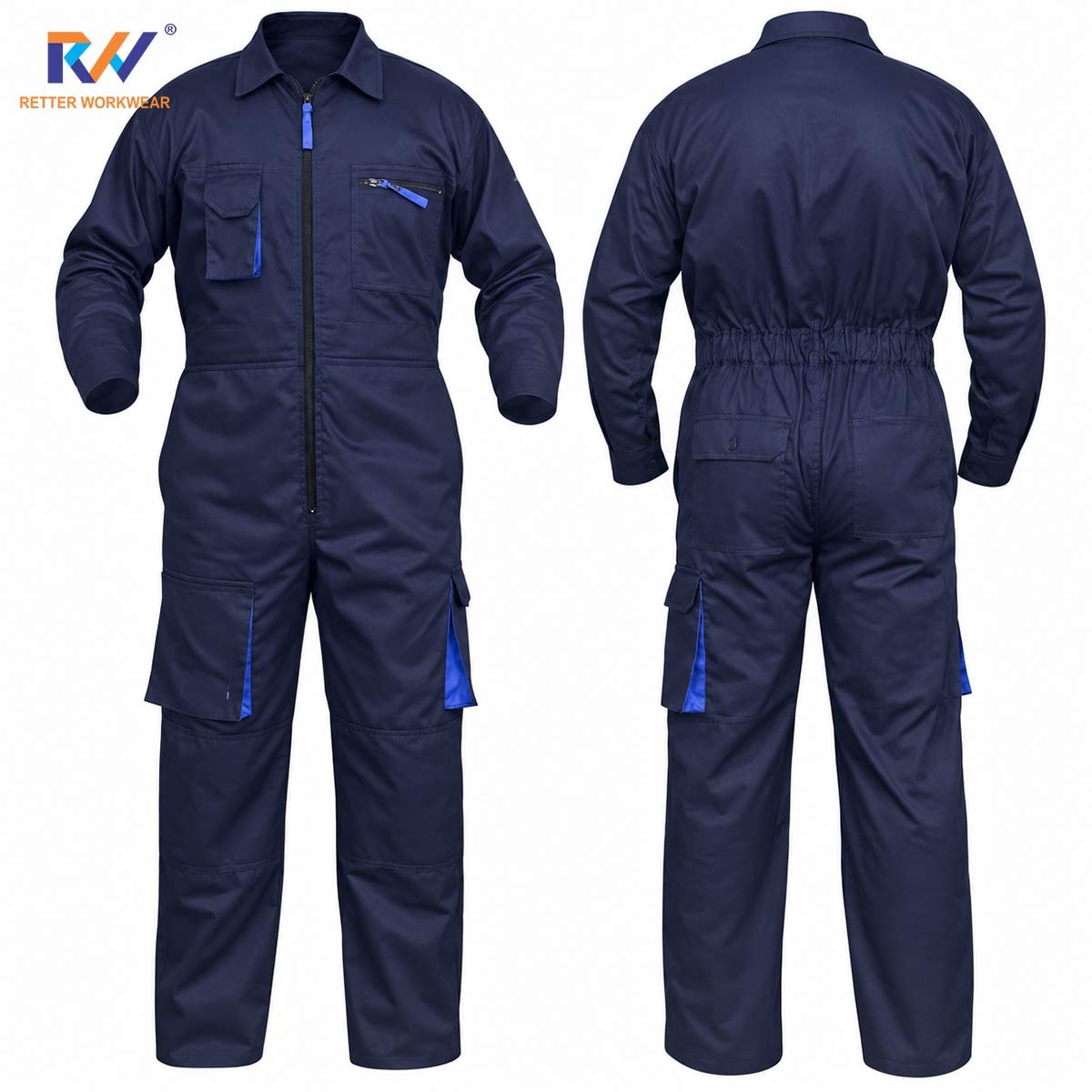
A worker on a night shift once taped his sleeve back together with electrical tape because the fabric had already given up weeks before payday. That kind of makeshift fix says everything about gear that wasn't built for the job. Facilities dealing with this usually end up sourcing a proper Industrial Boiler Suit from someone like Retter Workwear, once durability finally gets treated as something worth paying for upfront. What looks fine on a hanger tells you nothing about how it'll hold up on an actual factory floor.
Why Fabric Gives Up Faster Than Anyone Plans For
Factory floors are brutal on clothing in ways most people never think about until they're standing in one. Sparks, grinding edges, constant bending- all of it wears down fabric that looked perfectly sturdy in a sample photo. A suit that seems fine in the first week sometimes splits at the knee by week three, right when nobody's got a spare on hand. Workers start improvising fixes themselves because waiting for a proper reorder just takes too long.
A few things worth checking before placing the next order:
- Fabric heavy enough to actually resist tearing during real physical work
- Reinforced stitching where knees, elbows, and seams take the most stress
- Flame-resistant treatment if sparks or heat are part of the daily routine
- A fit loose enough to move in, but not so loose it catches on machinery
- Colorfastness that survives repeated industrial washing without fading fast
Skip this check, and you'll probably find out about the gap right when replacing a whole batch is the last thing anyone wants to deal with.
One Design Almost Never Covers Every Department
A suit meant for welding solves a completely different problem than one meant for handling chemicals. Sparks call for flame resistance, spills call for fabric that won't break down on contact, and trying to cover both with one generic design usually protects against neither properly. Facilities that order the same suit for every department often end up with workers wearing the wrong protection for their actual job. Sorting this out at the ordering stage saves a lot of headaches once suits actually reach the floor.
The Small Compliance Slips Nobody Officially Approves
Supervisors often assume a worker wearing the suit means safety's covered, full stop. Reality looks different by mid-afternoon, sleeves rolled up, zippers left undone, because the fabric's too stiff or too hot to keep sealed properly. Nobody decides outright to break protocol; it just happens quietly when the gear fights against comfort all day.
- Breathable panels placed where heat actually builds up during long shifts
- Cuffs and collars workers won't feel the urge to loosen constantly
- Fabric flexible enough for natural bending and reaching without resistance
- Ventilation that still holds up flame resistance where it genuinely matters
- Overall weight that doesn't wear someone out just from wearing it all day
Get comfort right, and workers tend to actually follow protocol instead of working around it without anyone noticing.
Replacing Suits Before They Actually Fail You
Waiting until a suit visibly falls apart before reordering almost guarantees it happens at the worst possible time. Checking fabric condition on a set schedule instead catches wear before it turns into a real safety problem. Ordering a fresh Industrial Boiler Suit batch on a predictable timeline, rather than in a scramble, keeps costs steady and skips the rush fees nobody budgeted for.
Sometimes Switching Suppliers Isn't the Real Fix
The problem isn't always the manufacturer; sometimes it's a mismatch between what got ordered and what the job actually demands. Bouncing between suppliers without figuring that out just repeats the same failure under a different label. Matching fabric specs to the real hazards on site is usually what actually breaks the cycle.
Final Thoughts
Gear that survives a tough shift rarely gets noticed; people only bring it up the day it fails them. Facilities that stay ahead of that failure point end up spending less over the year and keeping their crew properly protected. This was never really about chasing the cheapest supplier; it's about matching gear to what the job actually throws at people every day.
