




- By: Admin
- Aug 11, 2026
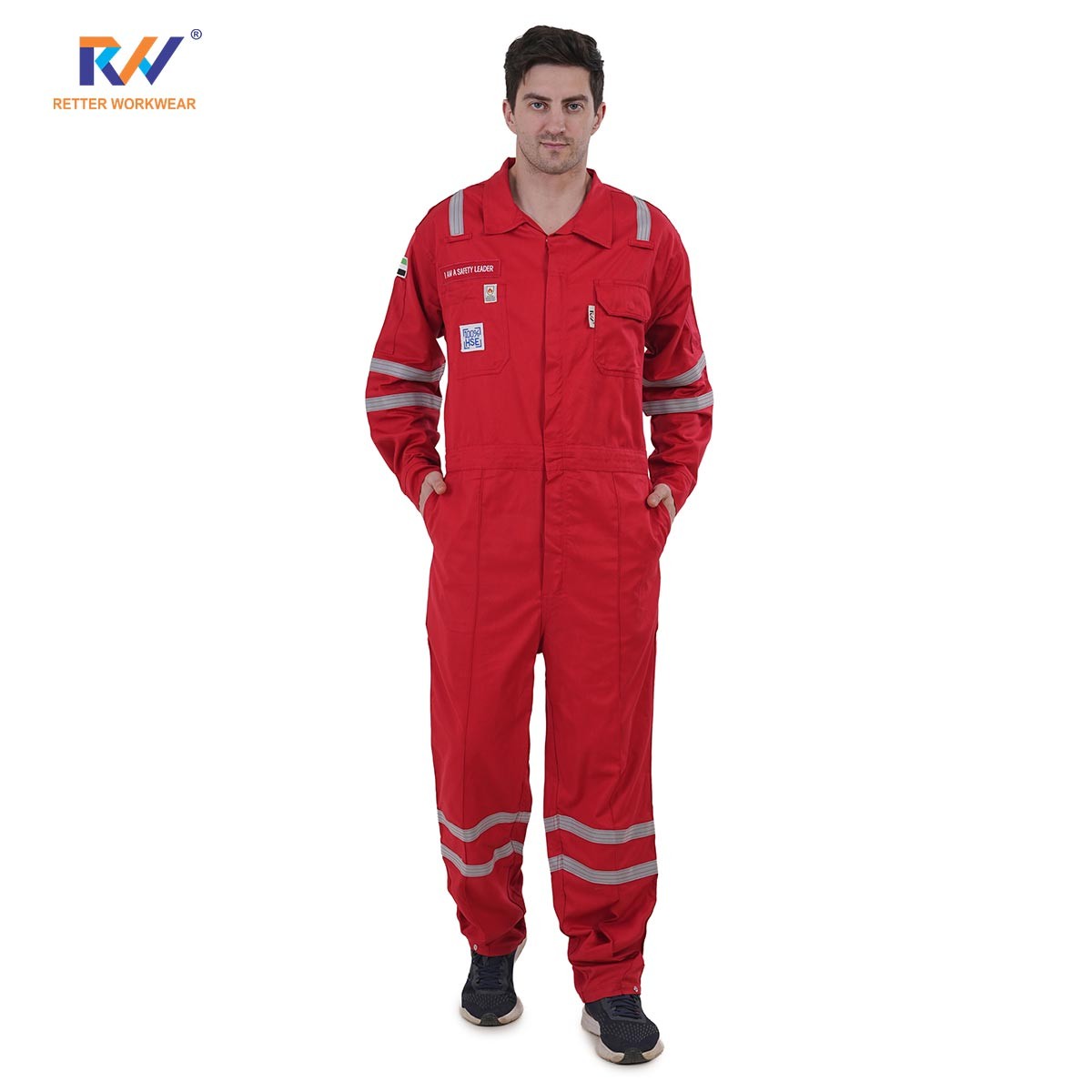
If you're buying safety gear for a crew working in oil and gas sites, chances are you've come across the term "ADNOC compliant" more than once. But here's the thing — not every coverall that claims this actually meets the mark. A lot of buyers assume that because a supplier says "ADNOC approved" on their website, the job is done. It isn't. There's a real difference between marketing language and an ADNOC Coverall that has actually gone through the right testing and certification process, and knowing that difference can save your workers from serious harm on site.
So how do you tell one from the other? Let's break it down.
What Does "ADNOC Compliant" Actually Mean?
ADNOC has its own set of technical specifications for protective clothing used across its operations and by its contractors. These cover things like fabric composition, flame resistance ratings, seam strength, and even stitching thread type. A garment isn't compliant just because it looks the part — it needs to be built to withstand arc exposure, flash fires, and the general wear and tear of a refinery or drilling site. Some suppliers cut corners on thread or use blended fabrics that don't hold up under actual heat exposure, and that's where things go wrong.
Checking Your Coverall: The Fabric Test
This is where most people go wrong — they judge a coverall by how it looks on a hanger. Instead, ask your supplier for the fabric's technical data sheet. A genuine coverall built for ADNOC sites should list its flame resistance standard clearly, along with fabric weight (usually in GSM) and composition. If a supplier hesitates to share this or gives vague answers, that's a red flag worth taking seriously.
Here's a quick checklist you can run through before placing an order:
- Ask for the fabric's flame resistance certification (not just a claim on paper)
- Check if seams are stitched with FR-rated thread, not regular polyester
- Look for proper labeling — batch number, size, and compliance marks
- Request a sample before bulk ordering, and actually test it yourself if possible
- Confirm the supplier can provide third-party test reports on demand
Signs You're Not Buying From Real Manufacturers
There's a growing number of sellers online who slap "ADNOC approved" on their listings without any backing. Working with genuine ADNOC Approved Coveralls Manufacturers means the company has documented processes, traceable fabric sourcing, and can show you test certificates without dragging their feet. If a seller keeps redirecting you to "trust us, it's approved" instead of paperwork, walk away. Compliance isn't a slogan; it's a paper trail.
Stitching, Seams, and the Small Details That Matter
Beyond fabric, the construction of the garment tells you a lot. Reinforced seams at stress points, double stitching on pockets, and proper closures aren't just about durability — they're part of what keeps the suit intact during an emergency. A coverall that tears at the seam during a flash exposure isn't protecting anyone, no matter what label it carries.
Why Sourcing Matters
This is where working with established, reliable ADNOC Approved Coveralls Manufacturers really pays off. Companies that have been in the safety apparel business for years usually have the infrastructure to test, document, and stand behind their claims. At Retter Workwear, we've built our process around this exact idea — sourcing certified fabric, testing batches, and keeping documentation ready for buyers who actually ask the right questions. It's not glamorous work, but it's the part that keeps people safe.
A Few Questions to Ask Before You Buy
Before finalizing any order, it helps to ask straightforward questions:
- Can you show me the flame resistance test report for this batch?
- What fabric composition are you using, and where is it sourced from?
- Do you offer sample testing before bulk orders?
- Is your factory audited or certified by any recognized body?
Final Thoughts
At the end of the day, an ADNOC Coverall is only as good as the process behind it. Don't take a supplier's word at face value — ask for documentation, request samples, and check the small details that separate a genuinely compliant garment from one that just looks the part. Your crew's safety depends on gear that's been tested, not just labeled.
