




- By: Admin
- Sep 09, 2026
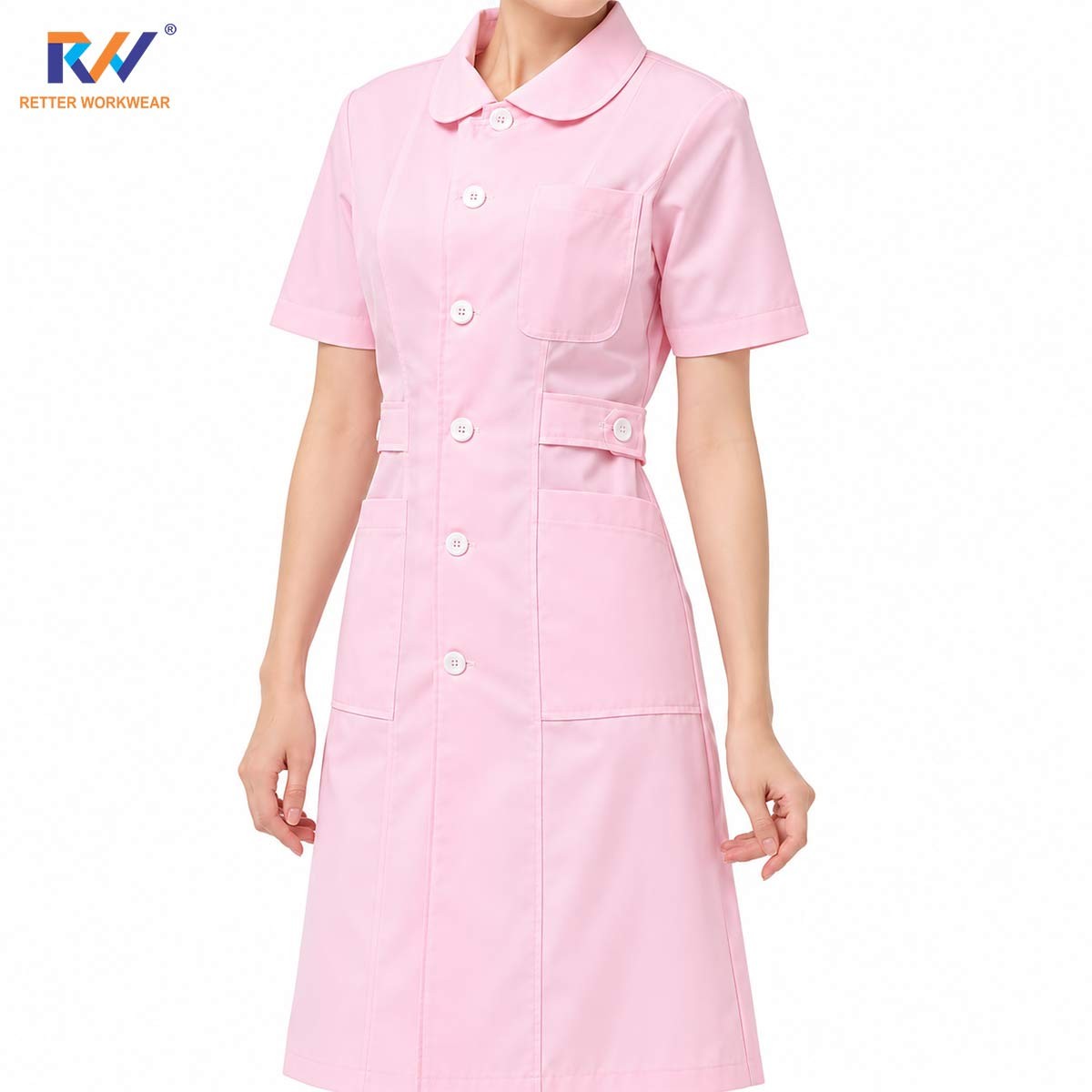
A hospital administrator once realized her staff's coats had started fading unevenly after just a few months of laundry cycles. That kind of wear says a lot about where the fabric actually came from in the first place. Hospitals dealing with this usually end up searching for reliable Medical Uniform Manufacturers like Retter Workwear, once quality actually becomes the priority over just restocking quickly. Getting this decision right affects more than appearance; it touches hygiene, comfort, and how staff feel showing up to a twelve-hour shift.
Why Hospital Laundry Rooms Are Harder on Fabric Than People Realize
Industrial laundering isn't gentle, and it's not supposed to be given what healthcare uniforms go through daily. High heat, strong detergents, and constant cycles wear down fabric far faster than a home wash ever would. A coat that looks fine after ten washes sometimes falls apart by wash fifty, right when a hospital can least afford replacing an entire batch. Staff notice this fast, especially when a coat starts thinning or losing shape mid-shift.
Testing Fabric the Way a Hospital Actually Uses It
This is exactly why hospitals eventually turn to established Medical Uniform Manufacturers who test fabric under repeated, harsh conditions instead of assuming it'll hold up. Getting stitching, fabric weight, and colorfastness right upfront saves administrators from replacing uniforms every few months. That reliability quietly protects a hospital's budget in ways nobody notices until it stops working properly.
A few things worth confirming before placing a bulk order:
- Fabric tested specifically for repeated industrial washing and sterilization
- Stitching reinforced at stress points like pockets and seams
- Consistent sizing across a wide range of staff body types
- Breathable material suited to long shifts under bright, warm lighting
- Colorfastness that holds up through dozens of wash cycles
Skipping this evaluation often means discovering these gaps only after uniforms are already in daily use.
What a Nurse Actually Needs From Her Coat by Hour Ten
Nurses spend most of their day on their feet, moving between patients without much time to adjust anything. A Nurse Coat has to survive constant bending, reaching, and quick movement across a full shift. A coat that restricts arm movement or bunches up at the waist becomes a real distraction fast. Durability matters here just as much as fit, since this coat gets washed and worn far more often than most other garments in a hospital.
Why a Doctor's Coat Serves a Slightly Different Purpose
That doesn't mean comfort takes a back seat; it just means the priorities shift slightly toward a polished, professional look alongside practicality. A Doctor Coat usually needs a more tailored silhouette, since it's worn during patient consultations and formal rounds. Pocket depth matters too, since doctors often carry small instruments or notepads throughout the day. Treating this coat exactly like a nurse's daily wear usually results in a fit that looks fine but functions poorly.
Building a Uniform Program That Doesn't Need Constant Fixing
A few structural decisions early on prevent most of the sizing and fit complaints hospitals deal with later.
- Separate sizing charts built for each specific role and coat type
- Sample approval from actual staff before committing to bulk orders
- Clear fabric specifications documented for consistent future reorders
- A single point of contact managing all uniform-related communication
- Scheduled reviews every season to catch fit or fabric issues early
Hospitals that set this up properly spend far less time managing complaints once the program is actually running.
Comfort During Long Shifts Isn't a Small Detail
Twelve-hour shifts test uniforms in ways a short office day never would. Fabric that traps heat or restricts movement becomes a real problem by hour eight, not just a minor annoyance. Staff wearing uncomfortable uniforms tend to mention it constantly, which quietly affects morale more than administrators expect. Breathable fabric blends and thoughtful cuts around the shoulders make a noticeable difference during long stretches on your feet.
Final Thoughts
Healthcare uniforms carry more responsibility than most people realize while walking past a nurse or doctor in a hallway. They need to hold up under harsh washing, keep staff comfortable through brutal shifts, and stay hygienic through constant use. Hospitals that invest in getting this right tend to see it reflected in staff satisfaction and long-term costs alike. A coat that quietly does its job well rarely gets noticed, but everyone feels it the moment something goes wrong.
