




- By: Admin
- Sep 12, 2026
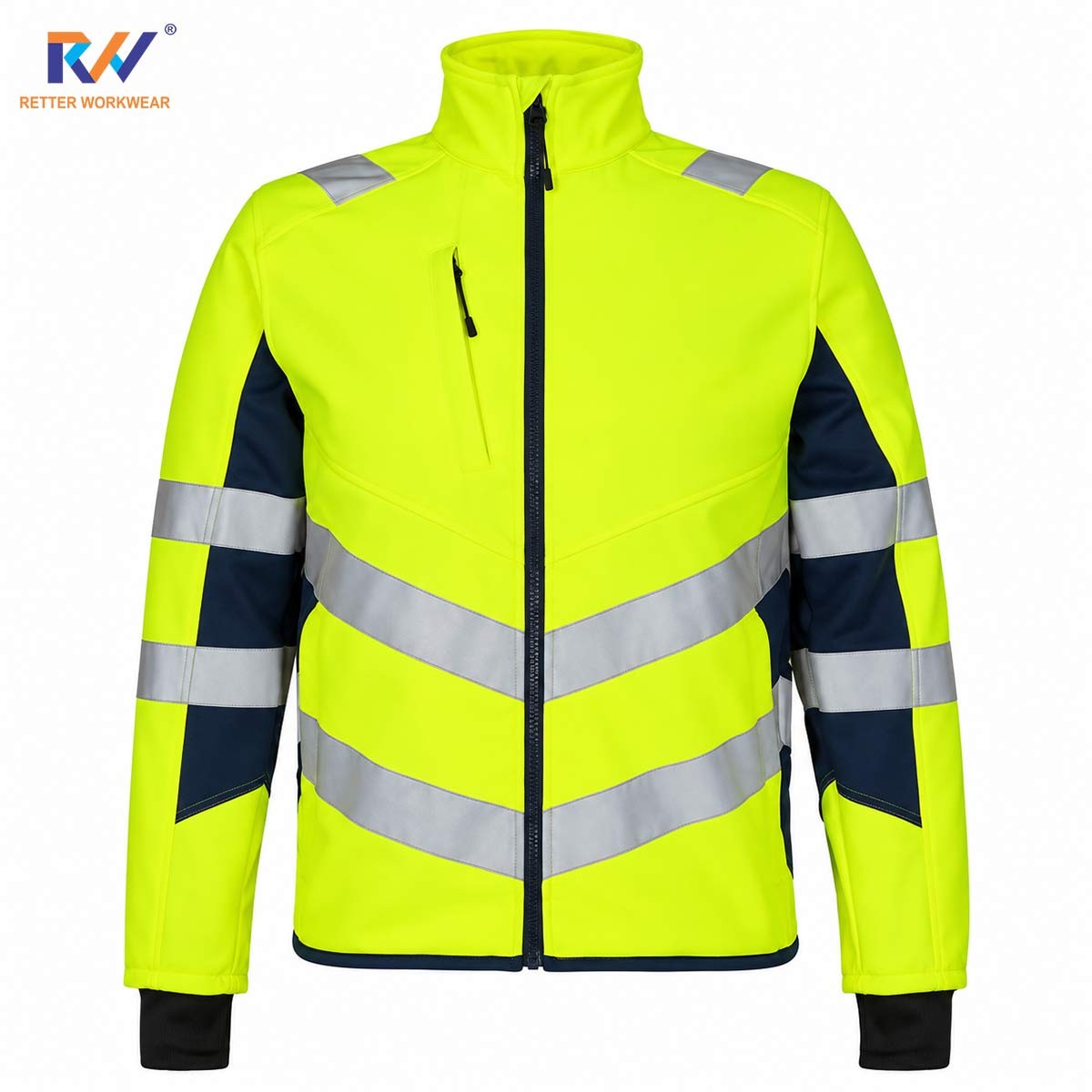
A site supervisor once got a call at midnight because a worker was nearly missed by a reversing truck in low light. That near-miss changed how his company thought about gear almost overnight. Sites dealing with this kind of risk usually end up sourcing a reliable Safety Jacket from a manufacturer like Retter Workwear, once visibility actually becomes a non-negotiable priority. Getting this decision right isn't about compliance paperwork; it's about someone going home safely at the end of a shift.
Why Low-Light Hours Are When Most Incidents Actually Happen
Construction sites don't stop just because the sun's going down or fog rolls in early. Visibility drops fast during dawn, dusk, and overcast weather, exactly when heavy machinery is still moving around workers. A worker blending into the background during these hours becomes a real hazard nobody wants to discover the hard way. Reflective strips and bright base colors exist specifically to solve this narrow but dangerous window of low visibility.
What Actually Makes a Jacket Visible From a Moving Vehicle
Not every high-visibility jacket performs the same way once you're behind the wheel of heavy equipment. Reflective tape placement, fabric brightness, and strip width all affect how quickly a driver spots someone at a distance. A Safety Jacket that looks bright under normal lighting might barely register from fifty meters away in headlights.
A few things worth checking before choosing gear for a site:
- Reflective tape positioned at shoulders, chest, and arms for visibility from multiple angles
- Fabric brightness rated for both daylight and low-light conditions
- Strip width wide enough to catch attention at a real driving distance
- Material that stays visible even after repeated washing and outdoor wear
- Fit that doesn't restrict movement while climbing or operating equipment
Skipping this check often means workers wearing gear that looks compliant but doesn't actually perform when it matters.
Weather Conditions That Quietly Wear Down Cheap Gear
Sites operate through heat, rain, dust, and everything in between, and jackets need to hold up across all of it. Cheap fabric fades fast under constant sun exposure, losing the brightness that made it visible in the first place. Rain-soaked jackets that don't dry quickly become uncomfortable fast, especially during long outdoor shifts. A jacket that degrades within a few months ends up costing more through constant replacement than investing properly the first time around.
Why Fit Matters More Than People Assume on an Active Site
A jacket that's too loose can catch on equipment or machinery during routine tasks. One that's too tight restricts the exact movements workers need during physical labor. Getting sizing right across a diverse workforce takes more thought than ordering one standard size for everyone. Manufacturers who understand site conditions build jackets that move with workers instead of getting in their way.
Choosing the Right Gear for a High-Risk Construction Environment
Heavy-duty demands on an active site call for more than basic visibility requirements alone. A Construction Safety Jacket has to survive dust, debris, occasional impact, and constant movement across uneven terrain. Pocket placement matters too, since workers often need quick access to tools or radios without fumbling. A jacket built specifically for this environment holds up in ways generic high-visibility gear simply doesn't manage over time.
Building a Site-Wide Gear Standard That Actually Gets Followed
Workers skip wearing uncomfortable or ill-fitting gear more often than supervisors realize, especially during hot months. A uniform standard that accounts for comfort alongside visibility gets followed more consistently across an entire crew. Sites that involve workers in gear selection tend to see better compliance than those simply mandating a purchase from above. That buy-in matters just as much as the actual safety specifications printed on a label.
Final Thoughts
Safety gear on a construction site only works if people actually wear it consistently through every shift. A jacket sitting unused in a locker because it's uncomfortable or too hot does nothing for anyone's protection. Sites that invest in gear people actually want to wear tend to see fewer incidents and fewer excuses for skipping it. Getting this right isn't about ticking a compliance box; it's about making sure everyone actually makes it home safely.
