




- By: Admin
- Apr 24, 2026
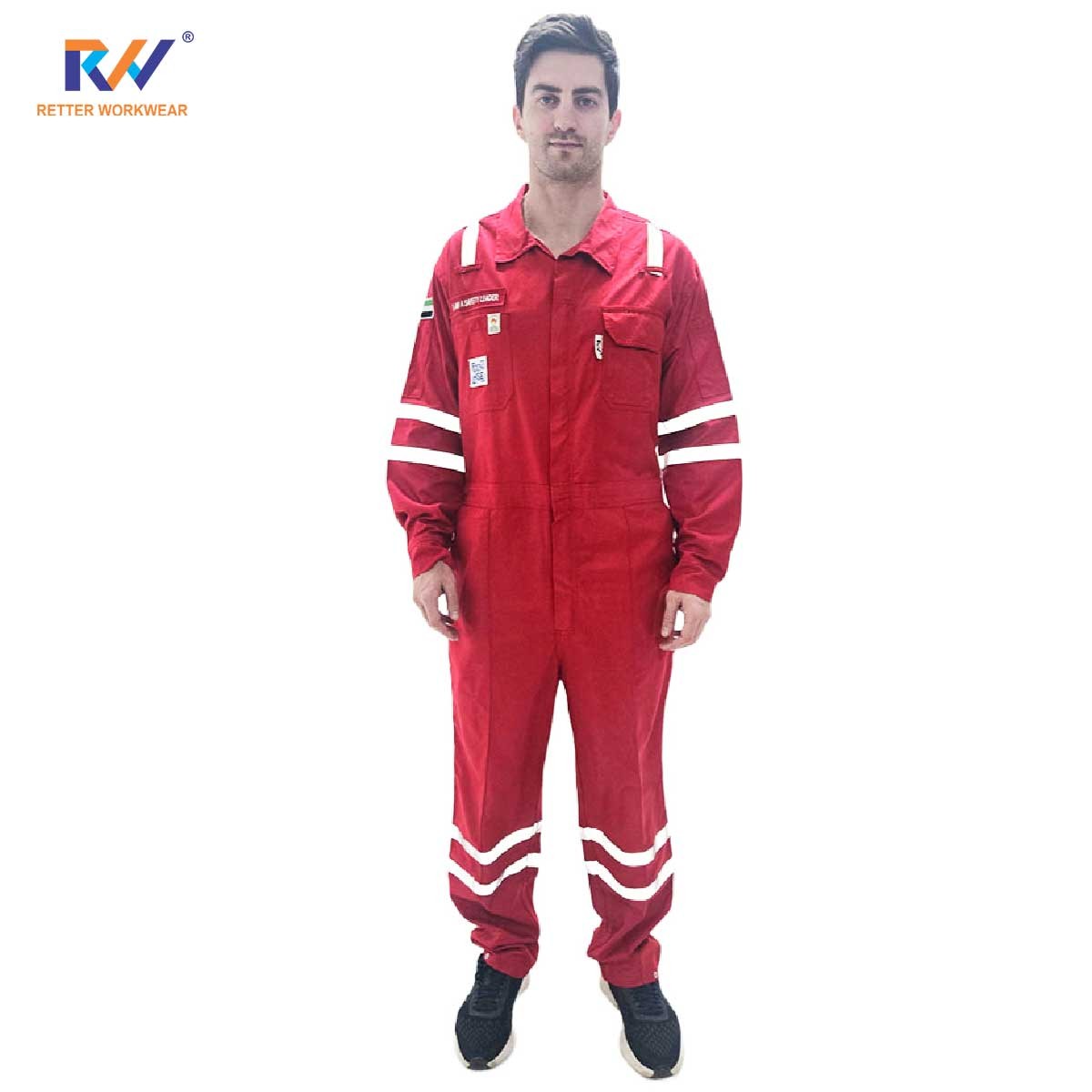
Let me be straightforward about something. Most people buying industrial coveralls in bulk are thinking about price first. That is understandable. But when the end user is standing near a gas pipeline or working inside a refinery, price cannot be the only thing on the table. The coverall has to actually protect them. Sourcing from the right ADNOC coverall manufacturers in India changes everything about that equation, and companies like Retter Workwear understand this better than most. The difference between a good manufacturer and an average one is not always visible on a spec sheet. Sometimes you only find out when something goes wrong on site.
What Passing the ADNOC Standard Actually Takes
Plenty of suppliers claim compliance. Far fewer have genuinely earned it. ADNOC requirements are detailed and unforgiving, covering everything from how a fabric reacts to direct flame to how well a zipper holds after months of daily use. Reflective tape placement, seam tensile strength, and chemical resistance are not suggestions. They are hard requirements with measurable outcomes. Manufacturers who have been through the certification process properly will tell you it pushed them to rethink parts of their production they thought were already fine. It is not a one-time approval either. Staying compliant means maintaining standards batch after batch, order after order.
Why Buyers Are Increasingly Turning to India
Honestly, the reputation shift has been earned. Indian manufacturers were not always taken seriously for safety-critical workwear. But that has changed, and here is why buyers are noticing:
- Certified FR fabrics are now being sourced locally, reducing dependency on expensive imports while maintaining quality.
- Stitching standards have improved dramatically, with many factories adopting double-needle construction as a baseline rather than a premium option.
- Testing infrastructure inside factories means problems get caught early rather than discovered by the client.
- The pricing still makes sense for bulk procurement without forcing manufacturers to use inferior materials.
Buyers who gave Indian suppliers a fair shot a few years ago are the ones placing the largest repeat orders today.
Why Fabric Choice Matters More Than Most Buyers Realise
Here is something worth knowing if you are buying coveralls for harsh environments. Two garments can look identical on the outside and perform completely differently after three months of use. The fabric is where that gap shows up. Proban-treated cotton handles moderate heat environments well and stays comfortable across long shifts. Nomex blends are a step up for higher thermal exposure situations. But the real test is what happens after repeated industrial washing. Protective properties in cheaper fabrics degrade faster than most buyers expect. A coverall that maintains its FR rating after fifty wash cycles is genuinely different from one that loses protection after ten, even if they carry the same label. Manufacturers who are serious about quality track this. They work with audited mills and test fabric samples from each batch before cutting begins.
The Small Construction Details That Actually Matter
Spend time with workers who wear coveralls daily, and they will tell you things that never appear in product brochures. The gusseted crotch panel that gives them room to climb without seams cutting in. The bar-tacking at pocket corners that stops the tearing that starts after a few weeks of carrying heavy tools. The wrist closure that actually stays secure rather than flopping open by midday. These are not luxury features. They are the difference between a coverall that workers want to wear and one they tolerate because they have no choice. Good manufacturers have people on their floor who understand this because they have spoken to the end users. They build the garment around actual working conditions, not just around passing a flat inspection.
Verifying Certifications Without Getting Misled
Documentation in this industry can be misleading if you do not know what to ask for. ISO 11612 and EN 531 are the right benchmarks for flame-resistant performance. But a certificate alone tells you very little. Ask for test reports linked to the specific fabric batch going into your order. Ask whether testing was done independently or in-house. Ask how long ago the last third-party audit was conducted. A manufacturer who is genuinely confident in their product answers these questions without hesitation. One who gets vague or starts redirecting the conversation is telling you something important without saying it directly.
Final Thoughts
Nobody wants to find out their supplier cut corners after an incident has already happened. Doing the homework upfront, checking fabric quality, asking hard questions about certifications, requesting samples, and testing them properly is not excessive caution. It is a basic responsibility. There are strong manufacturers in India doing genuinely good work in this space. Finding them just requires knowing what to look for and being willing to ask the questions that matter.
